
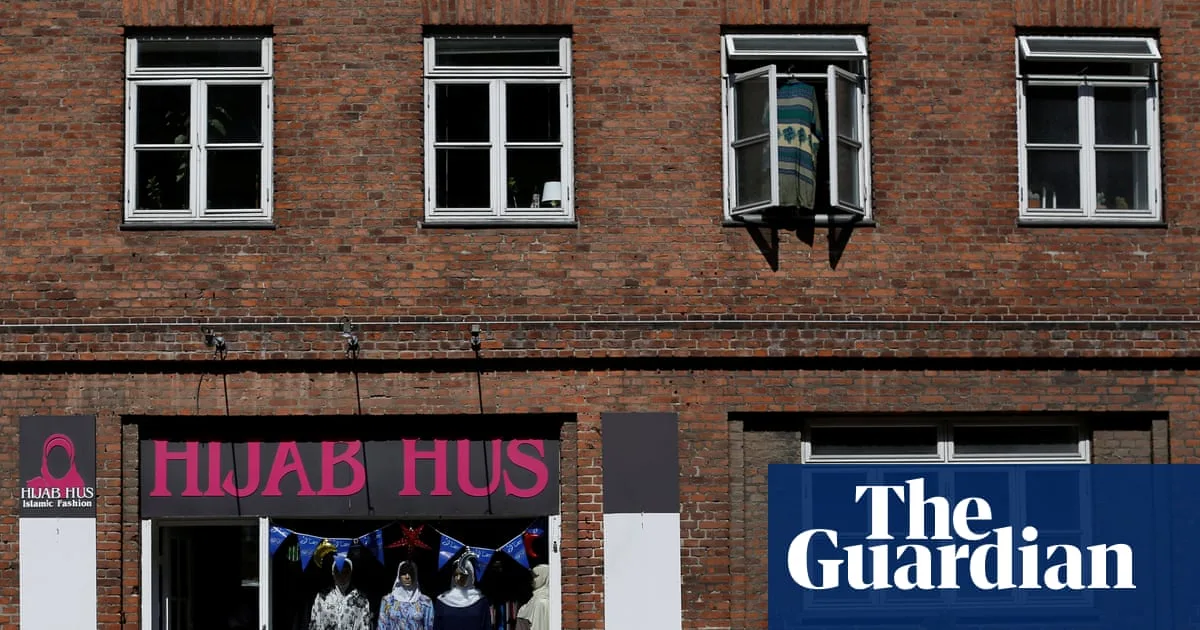
The European Court of Justice (ECJ) has ruled that Denmark's controversial 'ghetto law' may be unlawful under EU race equality directives. The law, introduced in 2018, targets areas designated as 'parallel societies' where at least half of residents have a 'non-western' background. It mandates a 40% reduction in social housing in these neighbourhoods by 2030, including through demolition or sale.
In a preliminary ruling, the ECJ stated that the law could lead to a higher risk of eviction for residents in these areas compared to those in similar socio-economic conditions but with fewer immigrants. The court said it would be for Danish courts to determine whether the law results in less favourable treatment based on ethnic origin, even if its wording is neutral.
Residents of the Mjølnerparken housing estate in Copenhagen, who filed a lawsuit against the law in 2020, welcomed the decision. Muhammad Aslam, chair of the residents' association, called the law 'inhumane' and expressed confidence that they could win in the Danish High Court. Over 1,000 people have been forced to move out due to the law, and rental costs have soared.
Human rights organisations also praised the ruling. Susheela Math of Systemic Justice described it as 'a day of reckoning for the Danish state', adding that 'discrimination is not integration'. The Danish Institute for Human Rights noted that the judgment provides grounds for the law to constitute ethnic discrimination but does not bring the case to a definitive close.




