

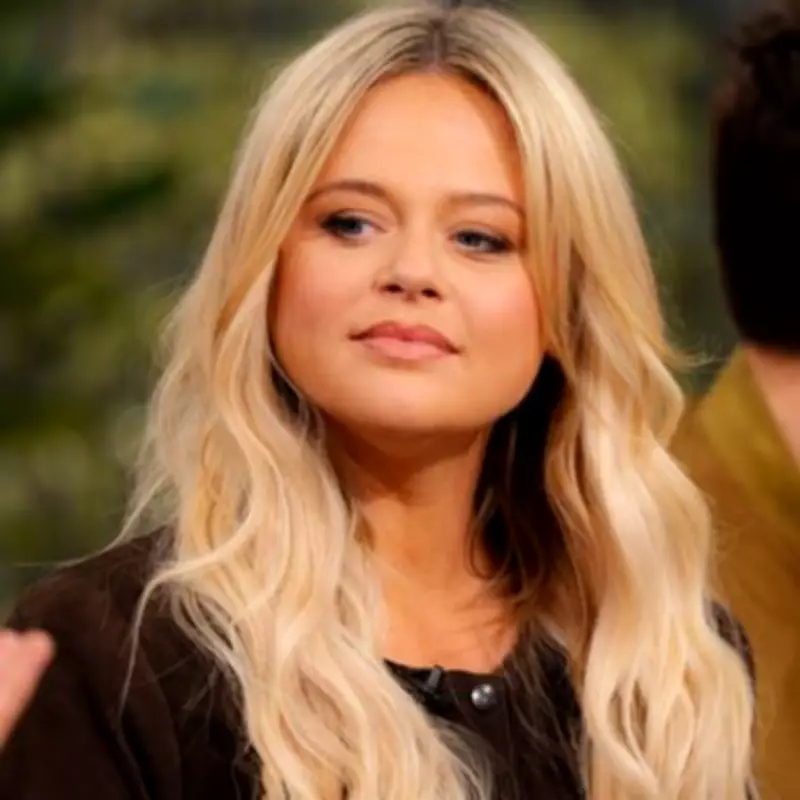
Emily Atack has revealed that she was touched and sent inappropriate texts by male co-stars when she was a teenager. The 36-year-old actress, who rose to fame as Charlotte Hinchcliffe in The Inbetweeners, has spoken candidly about the challenges she faced early in her career. Despite enjoying numerous opportunities in showbiz, she has endured significant inappropriate behaviour.
Early Career Struggles
In a recent interview, Atack discussed her experiences while promoting her role as Sarah Stratton in the racy Disney+ series Rivals, an adaptation of Jilly Cooper's novel. She reflected on her early days in the industry, stating: 'I've done so many things; I've done 13 movies. I've worked on some incredible sets and really difficult ones.'
The former I'm A Celebrity...Get Me Out Of Here! star explained that as a teenager, she accepted that certain incidents were inevitable on set. 'Where I was a teenager, I learned to accept that on certain sets things were going to happen – whether it was touching me, whispering things in my ear between takes when nobody was listening, or texting me outside of work hours with inappropriate things. I've been through it,' she told Grazia.

Documentary on Harassment
In 2023, Atack released a documentary titled Emily Atack: Asking for It? on BBC Two, where she detailed the vile messages and photos she receives from strangers online. She said: 'My whole life, I've been sexually harassed. In the streets, I've been flashed. It's happened since I was 10. Now I'm sexually harassed online every day. I find it really tough.'
The documentary also featured emotional conversations with her parents, with her mother becoming upset upon hearing about the harassment. Atack spoke to police about her experiences and concluded: 'I'm not asking for it. It is your fault. I'm not going to change what I'm doing because I get sexually harassed. It's not our behaviour that has to change.'
Atack, now engaged to Alistair Garner and mother to 23-month-old son Barney, continues to speak out against harassment, emphasising that victims are not to blame.






