

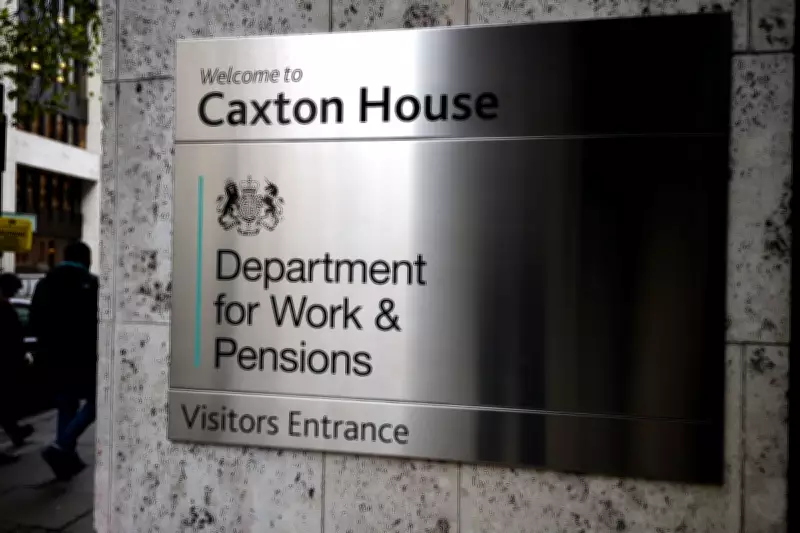
The Department for Work and Pensions (DWP) has faced sharp criticism over planned changes to Personal Independence Payment (PIP) that will exclude claimants aged 24 and under from extended award review periods. Disability charities have described the policy as "deeply concerning" and accused the government of penalising young disabled people "because of their age."
Policy Details
The DWP confirmed to The Independent last month that it is introducing a minimum three-year period between PIP award reviews for new claims, rising to five years at the next review if the claimant remains entitled. While this reduces the frequency of assessments for most claimants — a move widely welcomed — the changes will not apply to those aged 24 or under. This represents a significant policy shift that treats younger PIP claimants differently from older ones.
Bill Thorpe, the DWP's director of disability and health support, defended the exclusion in response to the independent Social Security Advisory Committee, stating that the policy "avoids keeping young people on PIP longer than necessary." He argued that "prolonged benefit receipt at this formative age can harm long-term employment prospects through income substitution and early life scarring effects."

Charity Response
Disability charities have reacted negatively to the decision. Harriet Edwards, director of influencing at Sense, said: "It is wrong and damaging for the DWP to link PIP with employment prospects. PIP is not an out-of-work benefit; it exists to offset the significant extra costs that come with being disabled, such as inaccessible public transport or higher energy bills." She noted that Sense research found almost half of disabled people with complex needs under 25 say PIP helps them access employment. "Far from being 'scarring', benefits are a lifeline for disabled people with numerous social benefits. Reducing the number of assessments disabled people face is a positive step which should be rolled out for all PIP claimants. The barriers young disabled adults face aren't any fewer than their older counterparts; they should therefore be treated equally in the benefits system."
Abdi Mohamed, head of policy at Scope, added: "PIP assessments can be highly stressful and degrading. Young disabled people shouldn't be penalised because of their age and excluded from plans to extend review periods. Life costs much more for disabled people, including those under 25. PIP doesn't stop young disabled people working; it helps level the playing field by supporting with their extra costs."
Background and Future Review
PIP, currently claimed by 3.9 million people, is designed to help with additional expenses associated with managing a disability or long-term illness. Disability minister Sir Stephen Timms is leading a review of the benefit to ensure it is "fair and fit for the future." He has stated that Labour will hold off on any changes to eligibility criteria until the review concludes later this year.
The payment was central to Labour's plans to cut welfare costs last year, but proposals to tighten eligibility faced intense backlash. Ministers abandoned the plans after more than 100 Labour MPs warned they would oppose the measures. Sir Stephen confirmed the climbdown and subsequent review during the debate on the legislation.
A DWP spokesperson said: "Claimants aged 16-24 are more likely to see an improvement in condition and functional capacity than the general PIP population. The purpose of excluding under 25s from these changes is to avoid keeping young people on PIP longer than necessary. This important step to reduce the frequency of reviews will make the system more efficient by freeing up the capacity of health professionals to tackle our inherited assessment backlog, while removing unnecessary pressure from disabled claimants whose conditions rarely change at each review."






