

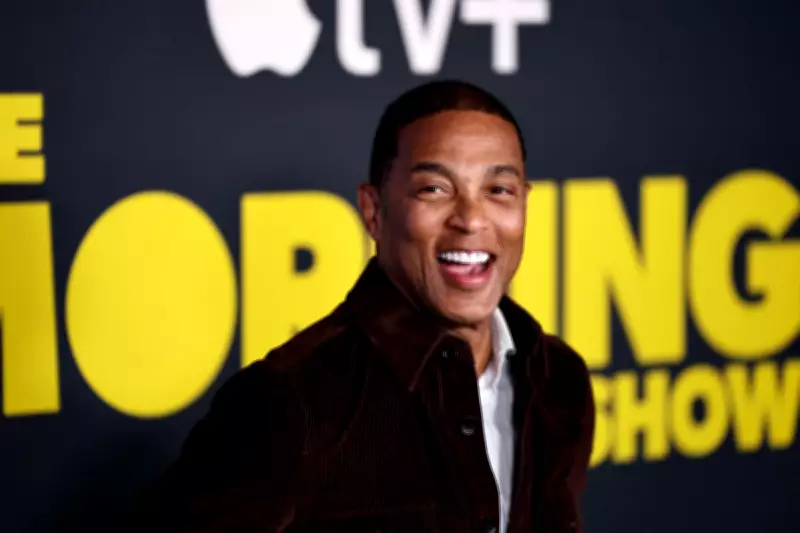
Former CNN anchor Don Lemon has been taken into custody by federal agents in a dramatic arrest that has sparked widespread concern over press freedoms in the United States. The incident occurred on Thursday night in Los Angeles, where Lemon was covering the prestigious Grammy awards ceremony for his independent media work.
Attorney Blasts Arrest as Unprecedented Attack
Lemon's attorney, Abbe Lowell, issued a strongly worded statement condemning the arrest as an "unprecedented attack" on journalistic integrity. Lowell emphasised that Lemon has been a journalist for three decades and was simply performing his constitutionally protected duties during the Minneapolis protest coverage that led to these charges.
Background of the Minnesota Incident
The federal charges stem from Lemon's coverage of an anti-ICE protest in Minneapolis that disrupted a church service earlier this year. While at least two other protesters were arrested during that incident, Lemon has consistently maintained that he was present solely as a journalist observing and reporting on the events unfolding before him.

"Don has been a journalist for 30 years, and his constitutionally protected work in Minneapolis was no different than what he has always done," Lowell wrote in his official statement regarding the arrest.
Defiant Response and Legal Battle Ahead
Following his arrest, Lemon issued a defiant message through his legal team, vowing to fight the charges vigorously. His attorney criticised what he called misplaced priorities within the Justice Department, suggesting that resources should be directed elsewhere.
"Instead of investigating the federal agents who killed two peaceful Minnesota protesters, the Trump Justice Department is devoting its time, attention and resources to this arrest, and that is the real indictment of wrongdoing in this case," Lowell asserted in his statement.
Broader Implications for Journalism
This arrest raises significant questions about the protection of journalistic activities during protests and the boundaries between observation and participation. Legal experts are closely monitoring the case, which could establish important precedents regarding press freedoms in politically charged environments.
The timing of the arrest during Lemon's Grammy coverage has added another layer of complexity to the situation, suggesting federal authorities deliberately chose a high-profile moment to execute their warrant. Lemon's legal team has indicated they will challenge both the substance of the charges and the manner in which the arrest was conducted.
As the case moves forward, media organisations across the country are expressing concern about potential chilling effects on protest coverage and investigative journalism. Lemon's three-decade career, including his prominent tenure at CNN, adds considerable weight to the debate about where legitimate reporting ends and alleged criminal activity begins.






