

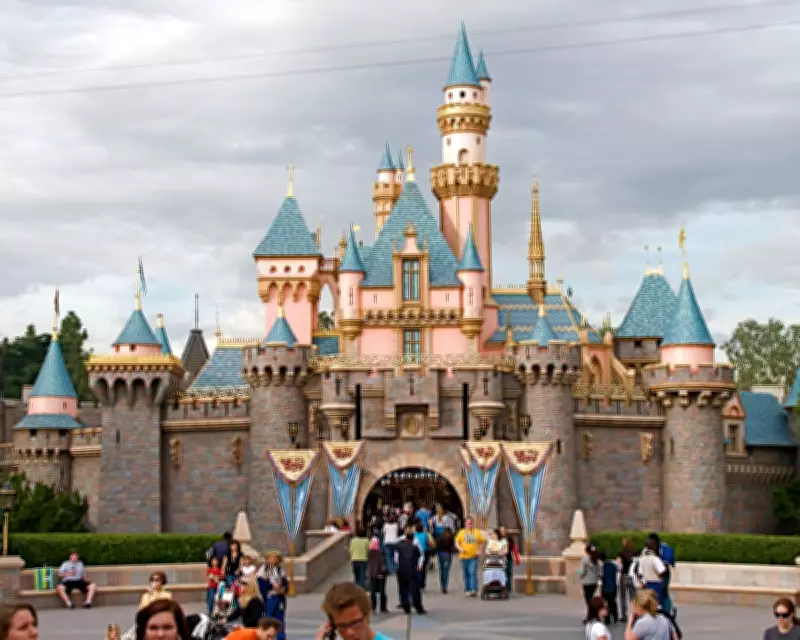
Disneyland has begun testing facial recognition technology at its main entrance, a move designed to streamline guest access but one that has ignited a fierce debate over privacy and data security. The system, which scans visitors' faces as they pass through the gates, is intended to replace traditional ticket scanning and fingerprint checks, offering what the company describes as a more seamless and efficient entry experience.
How the System Works
The new technology captures an image of each guest's face and matches it against a stored template linked to their ticket or annual pass. According to Disney officials, the data is encrypted and stored securely, with automatic deletion after 30 days. Guests who opt out can still use traditional methods, but the company encourages participation by highlighting reduced wait times.
Privacy Concerns Raised
Privacy advocates have voiced strong objections, warning that the system could set a precedent for widespread biometric surveillance in public spaces. The Electronic Frontier Foundation (EFF) called the move a 'dangerous expansion of facial recognition into everyday life,' noting that such technology often suffers from racial bias and inaccuracies. Critics also point to the lack of clear consent mechanisms and the potential for data breaches.

Several visitors expressed mixed feelings. Sarah Jenkins, a mother of two from Los Angeles, said, 'I understand it might be faster, but I don't want my kids' faces stored in a database. It feels like we're giving up too much for convenience.' Others, like Mark T., a frequent park-goer, welcomed the change: 'Fingerprint scanners are slow and unreliable. If this cuts down waiting, I'm all for it.'
Legal and Regulatory Landscape
California law requires companies to notify customers and obtain consent before collecting biometric data. Disneyland's program complies with this by offering an opt-out, but activists argue that the opt-in default is misleading. The state's privacy watchdog, the California Privacy Protection Agency, has announced it will review the program to ensure compliance with the California Consumer Privacy Act (CCPA) and the Biometric Information Privacy Act (BIPA).
Industry Implications
Disney is not alone in exploring facial recognition; other major theme parks, including Universal Studios and Six Flags, have tested similar systems. However, Disney's global brand and family-oriented image make its adoption particularly significant. Industry analysts suggest that if the trial proves successful, biometric entry could become standard across the sector, raising questions about the normalization of surveillance in leisure environments.
The company has emphasized that the technology is voluntary and that all data handling meets strict security protocols. A Disney spokesperson stated, 'We are committed to protecting our guests' privacy while enhancing their experience. This pilot is part of our ongoing innovation to create magical moments safely.'
As the trial continues, the debate over the balance between convenience and privacy shows no signs of abating. With the potential for broader adoption, the outcome of Disneyland's experiment could shape the future of biometric technology in public spaces worldwide.






