
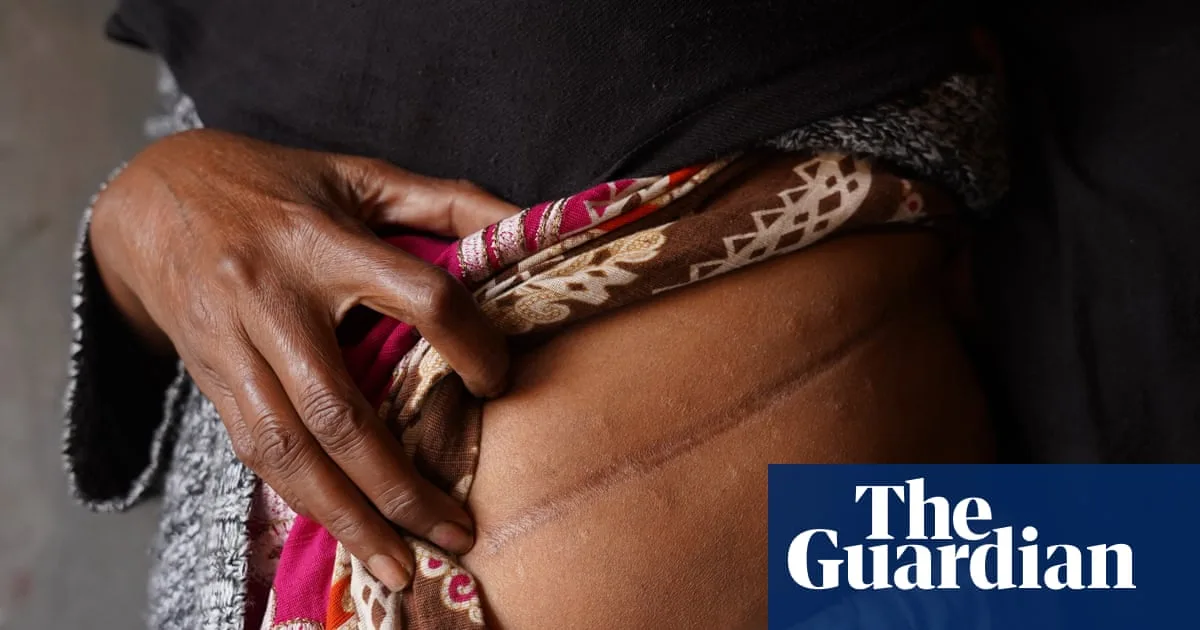
Thousands of Pakistani brick kiln workers are being coerced into selling their kidneys to repay debts, according to a lawyer and victims who spoke to the Guardian. The practice, described as commonplace, traps workers in a cycle of exploitation where they receive far less than promised for their organs and remain in debt.
Shafeeq Masih, a brick kiln worker near Lahore, sold his kidney for 300,000 rupees (£810) after being harassed by his employer over a 900,000 rupee debt. He hoped the money would free him, but instead handed it all to the owner and returned to work. Two years later, he is still in debt and suffers from pain that limits his brick-making output.
Syed Ayaz Hussain, a lawyer for the Bonded Labour Liberation Front, says kidney sales occur at almost every brick kiln. The Guardian interviewed seven victims in one day, with payments ranging from 100,000 to 300,000 rupees—almost always less than promised. The trade is considered a form of human trafficking, as consent is given under coercion and deception.
Hussain believes some brick kiln owners collude with agents, taking a cut of the profits. The pattern involves owners harassing workers over debts, then an agent arriving to convince them to sell a kidney. Pakistan's National Commission for Human Rights notes that cash advances, common in the industry, are often manipulated to create debt bondage.
An estimated 4 to 5 million people work in Pakistan's brick kilns, many in debt bondage. The illegal organ trade exploits their vulnerability, leaving them physically weakened and no better off financially. Victims describe the practice as widespread, with one saying, 'The whole country is doing it.'




