

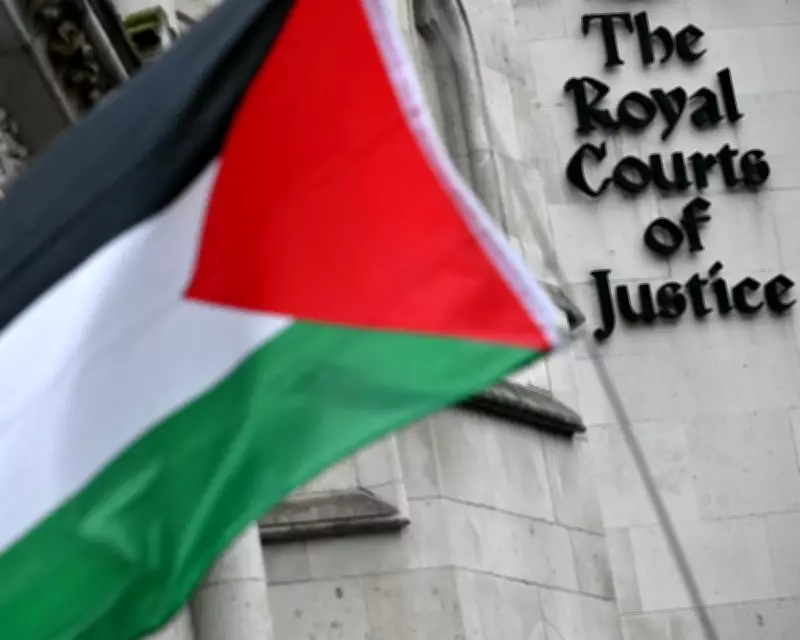
High Court Overturns Government Ban on Palestine Action
The High Court in London has delivered a landmark ruling, declaring the UK government's ban on the activist group Palestine Action as unlawful. This decision, announced on Friday, follows a legal challenge by the group, which argued that the prohibition was procedurally flawed and infringed upon fundamental rights to free speech and assembly.
Details of the Court's Judgment
In a detailed judgment, the court found that the Home Office had failed to follow proper procedures when imposing the ban earlier this year. The ruling highlighted that the government did not provide sufficient evidence to justify the ban under existing terrorism or public order laws. Additionally, the court noted potential violations of the European Convention on Human Rights, particularly regarding freedom of expression and association.
Palestine Action, known for its direct-action campaigns targeting companies it alleges are complicit in Israeli military actions, had been banned under measures aimed at preventing disorder. The group's activities have included protests and occupations at sites linked to arms manufacturing and other industries.

Reactions from Involved Parties
A spokesperson for Palestine Action welcomed the ruling, stating, "This is a victory for justice and civil liberties. The government's attempt to silence our legitimate protest has been rightfully overturned." They emphasized that the group would continue its campaigns, calling for accountability in international conflicts.
In response, a Home Office representative expressed disappointment, saying, "We are considering the judgment carefully and will assess our next steps. Our priority remains protecting national security and public safety." The government has the option to appeal the decision, which could lead to further legal proceedings.
Broader Implications for Activism and Law
Legal experts suggest this ruling could have significant implications for how the UK government regulates protest groups in the future. It raises questions about the balance between security concerns and democratic freedoms, particularly in contexts involving international political issues.
The case has drawn attention from human rights organizations, with some praising the court for upholding civil liberties. However, others have cautioned that similar bans might still be justified in cases with clearer threats to public order.
This ruling comes amid ongoing debates in the UK about the limits of protest and the government's powers to restrict activist movements. It underscores the role of the judiciary in checking executive actions and protecting fundamental rights.






