

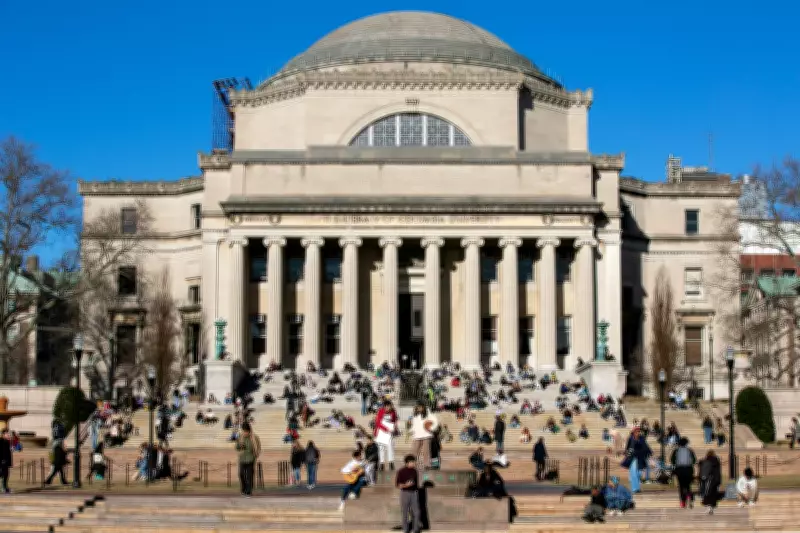
Columbia University Student Alleges Illegal DHS Arrest After Agents Misrepresent Themselves
Federal immigration officers from the Department of Homeland Security have been accused of illegally arresting a Columbia University student after misrepresenting themselves to gain entry to a residential building on campus. According to acting university President Claire Shipman, DHS agents entered the dormitory at 6:30 a.m. on Thursday, falsely claiming to be searching for a "missing person."
Student's Distress Call on Social Media
The detained student, identified as neuroscience student Ellie Aghayeva, posted a desperate plea on Instagram, stating, "Dhs illegally arrested me. Please help." This incident has raised significant concerns about the tactics used by immigration enforcement agencies on university grounds, particularly targeting international students.
University's Stance on Law Enforcement Access
Columbia University officials have reiterated their policy that all law enforcement agents require a judicial warrant or subpoena to access non-public areas of the university. They emphasize that administrative warrants alone are insufficient, highlighting the institution's commitment to protecting student privacy and legal rights.

Pattern of Immigration Enforcement on Campus
This arrest follows previous immigration enforcement actions on Columbia property, including the detention of graduate student Mahmoud Khalil last March. These incidents occur amidst the administration's broader campaign targeting international students, sparking debates about the balance between national security and academic freedom.
Implications for Student Safety and Rights
The alleged misrepresentation by DHS agents to gain campus access has prompted questions about:
- Student safety in residential buildings
- Legal protocols for law enforcement on university property
- International student protections against aggressive immigration enforcement
- University responsibility in safeguarding student rights
As the situation develops, Columbia University faces increasing pressure to address these security concerns while maintaining its academic mission and protecting its diverse student body from what many are calling overreach by federal authorities.






