

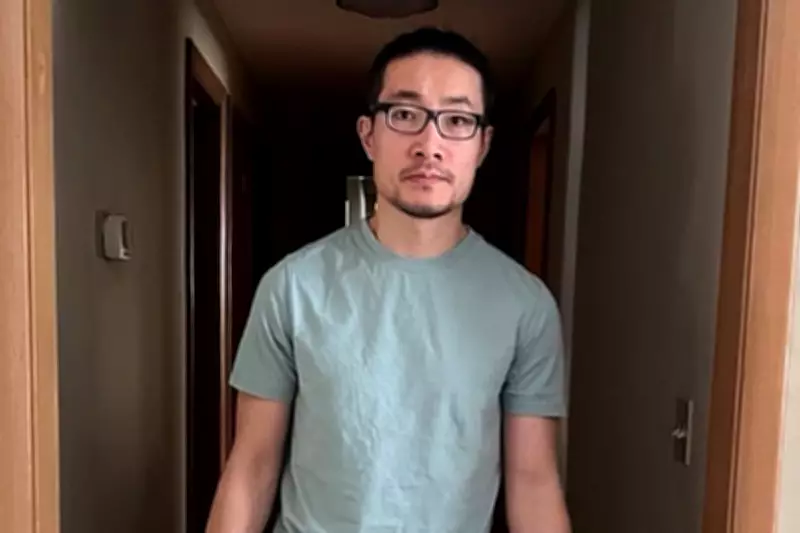
Chinese National Who Exposed Xinjiang Abuses Released From US Detention
Guan Heng, a Chinese asylum seeker who secretly filmed detention facilities in Xinjiang, has been released from federal custody in the United States after spending over five months in detention. The 38-year-old was granted asylum last week by an immigration judge who determined he faced a well-founded fear of persecution if returned to China.
Reunion and Relief After Months of Uncertainty
Guan was reunited with his mother, Luo Yun, on Tuesday in Binghamton, New York, where he is temporarily staying. Speaking to The Associated Press on Wednesday, Guan expressed his improving spirits, stating, "I'm in a great mood. I didn't feel the excitement yesterday. I felt I was still in prison, but today many friends have come to see me." He has not yet made long-term plans following his release.
His mother, who traveled from Taiwan to support him, shared her profound relief. "For five and half months I didn’t sleep one good sleep, but today I feel assured," Luo said, highlighting the emotional toll of the prolonged detention period.

A Rare Asylum Success Amid Trump's Immigration Crackdown
Guan's release marks a rare positive outcome for an asylum seeker since President Donald Trump returned to office, amid heightened immigration enforcement. At one point, Guan faced potential deportation to Uganda, but the Department of Homeland Security abandoned that plan in December after public outcry and congressional attention.
The DHS has 30 days to appeal the immigration judge's January 28 ruling granting asylum. As of now, the agency has not confirmed whether it will pursue an appeal, leaving Guan's status temporarily secure.
Congressional Support and Calls for Transparency
Representative Ro Khanna, the top Democrat on the House Select Committee on the Chinese Communist Party, criticised the lengthy detention, asserting that Guan should not have had to endure months in custody for a just resolution. "His release is a reminder that the rule of law and our moral duty to protect those who expose human rights abuses go hand in hand," Khanna stated, pledging to advocate for greater transparency in similar asylum cases.
Background: Documenting Xinjiang's Detention Facilities
In 2020, Guan covertly filmed detention centres in Xinjiang, contributing to evidence that activists say demonstrates widespread human rights abuses in the region. It is estimated that up to 1 million ethnic minorities, particularly Uyghurs, have been detained there.
The Chinese government denies these allegations, describing the facilities as vocational training programmes aimed at providing employable skills and countering radical ideologies. Beijing has employed various coercive measures to suppress dissenting views on its policies in Xinjiang.
Journey to Asylum and Moral Motivation
During his asylum hearing, Guan explained that his documentation was not initially intended to support an asylum claim. He expressed sympathy for the persecuted Uyghurs and a desire to bear witness to their suffering. Realising he needed to leave China to publish the footage, Guan travelled to Hong Kong, then to Ecuador (where Chinese tourists could visit visa-free), and onwards to the Bahamas.
He released most of his video on YouTube shortly before arriving in Florida by boat in October 2021. Guan told the judge he was uncertain of surviving the perilous boat journey and wanted to ensure the footage reached a global audience.
International Condemnation and Diplomatic Stance
While the US State Department declined to comment on Guan's specific case due to confidentiality rules, it reiterated its condemnation of the Chinese ruling party's actions in Xinjiang, labelling them as "genocide, religious persecution, and crimes against humanity against Uyghurs and others." This stance underscores the ongoing diplomatic tensions surrounding human rights issues between the two nations.






