
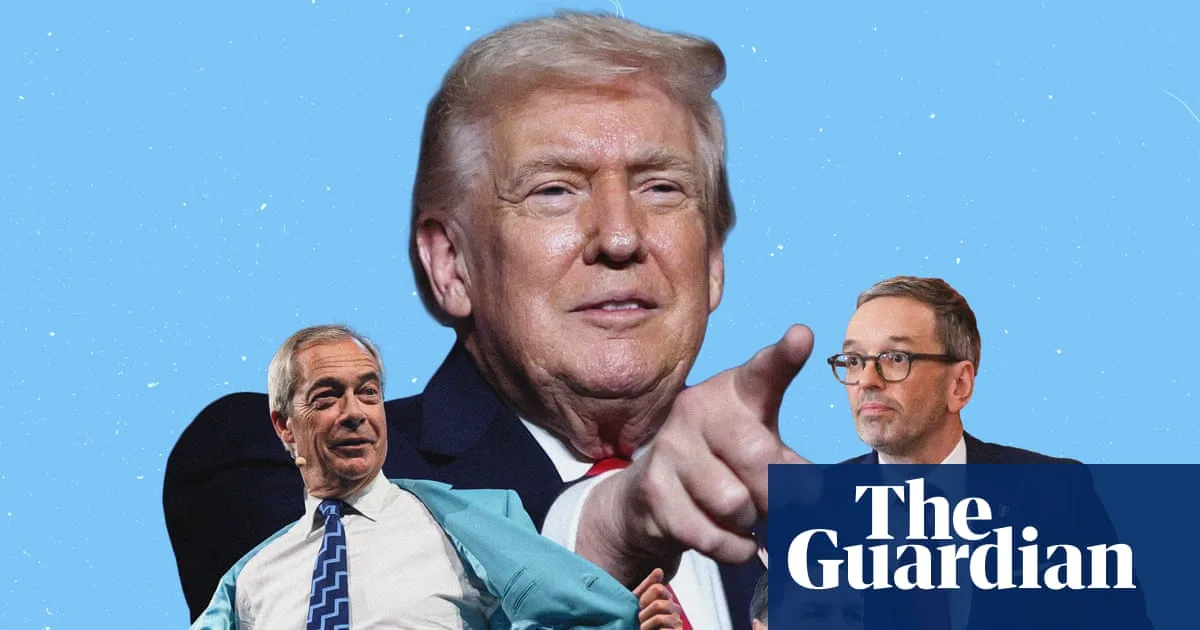
Over the last decade, the terms of political debate have shifted dramatically, with a new phenomenon—vice-signalling—replacing the earlier trend of virtue-signalling. While virtue-signalling involved performing progressive stances to burnish moral credentials, vice-signalling breaks taboos to signal authenticity and courage, often through hate speech or bigotry.
Donald Trump's 2015 campaign launch, where he described Mexican immigrants as rapists and criminals, is a classic example. This broke general taboos against hate speech and specific ones against associating criminal traits with a race. Trump and his allies have continued this pattern, with each new signal pushing boundaries further, such as the recent video depicting the Obamas as apes.
Ruth Wodak, emeritus professor of linguistics at Lancaster University, notes that vice-signalling is a strategy of the far right to violate taboos, escalate conversation dynamics, and gain media attention. It works for political insurgents like Trump and Nigel Farage, breaking down establishment barriers. Even established leaders like Silvio Berlusconi used dog-whistle racism, calling Barack Obama 'young, handsome, and tanned.'
Misogynistic vice-signalling has also surged, with Trump's 'pussy-grabbing' comments opening space for JD Vance's 'childless cat ladies' remark and Tucker Carlson's 'daddy's home' speech. Christian nationalists have even floated the idea of household voting, effectively disenfranchising women, a view reposted by US defence secretary Pete Hegseth.
Each act of open misogyny or racism, when met with no consequence except attention, emboldens allies and changes the political climate. Vice-signalling is not the mirror of virtue-signalling but a dangerous escalation that dehumanises and poisons public discourse.




