

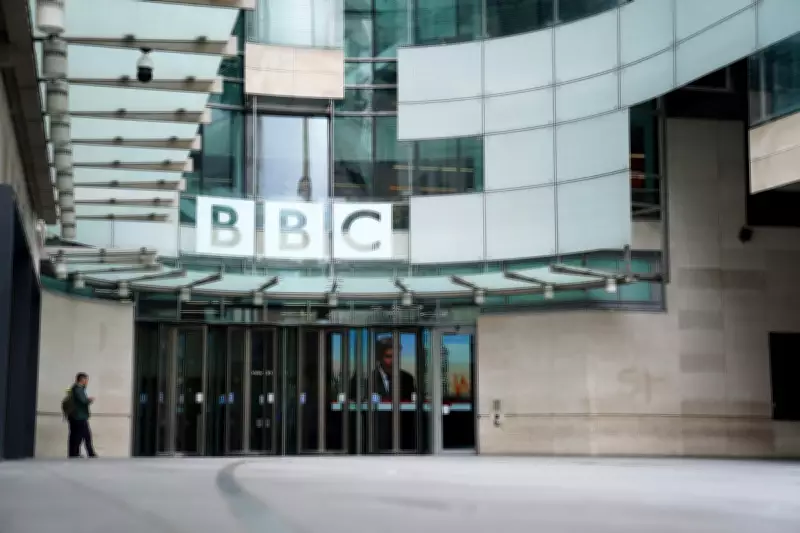
BBC Files Motion to Dismiss Trump's Defamation Lawsuit, Citing 'Chilling Effect' on Journalism
The BBC has taken legal action to have a defamation lawsuit filed by former US President Donald Trump thrown out, warning that the case poses a significant threat to free speech and investigative reporting. In a motion filed on Monday, the corporation argued that the $10 billion (£7.5 billion) lawsuit would create a "chilling effect" that could undermine robust journalism concerning public figures and major events.
Background of the Legal Dispute
The legal battle stems from a Panorama documentary episode broadcast in 2024, which faced criticism for allegedly giving the impression that Donald Trump encouraged his supporters to storm the US Capitol building in 2021. This occurred after he lost the presidential election to Joe Biden. The BBC has now moved to dismiss the lawsuit, citing concerns over jurisdiction and the merits of the claim.
In its 34-page motion, the BBC referenced established case law, stating: "Early dismissal is favoured given the powerful interest in ensuring that free speech is not unduly burdened by the necessity of defending against expensive yet groundless litigation, which would constrict the breathing space needed to ensure robust reporting on public figures and events." The corporation emphasized that this is particularly critical when the plaintiff is a high-profile individual like Trump, whose activities are regularly covered by the BBC.

Key Arguments in the Motion
The BBC presented multiple grounds for dismissal, including a lack of personal jurisdiction and a failure to state a valid claim. The corporation argued that Trump has not met the high legal standard of "actual malice," which requires proof that the BBC knowingly intended to create a false impression. The motion noted that the controversial clip, lasting just 12 seconds from Trump's speech on January 6, was part of an hour-long film that provided balanced coverage of his supporters and his path to re-election.
Regarding jurisdiction, the BBC contended that it is "not at home in Florida," where Trump filed the lawsuit in December of last year. The corporation stated that it does not engage in substantial activity within the state and that the documentary was never aired or made available in the US, including on platforms like iPlayer, BritBox, or BBC Select. "It would be unduly burdensome for these UK defendants to defend themselves in Florida," the motion asserted, highlighting that the documentary was aimed at UK viewers who fund the BBC through licence fees.
Broader Implications and Corporate Response
The BBC's motion underscores the potential impact of such lawsuits on media freedom. A spokesperson for the corporation reiterated its commitment to defending the case, stating: "We have said throughout we will robustly defend the case against us. Put simply – the documentary was never aired in Florida – or the US. We have therefore challenged jurisdiction of the Florida court and filed a motion to dismiss the president’s claim."
This legal development follows the resignation of BBC director-general Tim Davie in November amid allegations that Panorama selectively edited Trump's speech. Rhodri Talfan Davies has been confirmed as the interim director-general and will assume the role from April 3, adding a layer of corporate transition to the ongoing controversy.
The case highlights the tensions between media organisations and powerful public figures, with the BBC positioning its defence as a safeguard for journalistic integrity and the public's right to information. As the legal proceedings unfold, the outcome could set a precedent for how defamation claims are handled in cross-border contexts involving high-profile individuals.






