
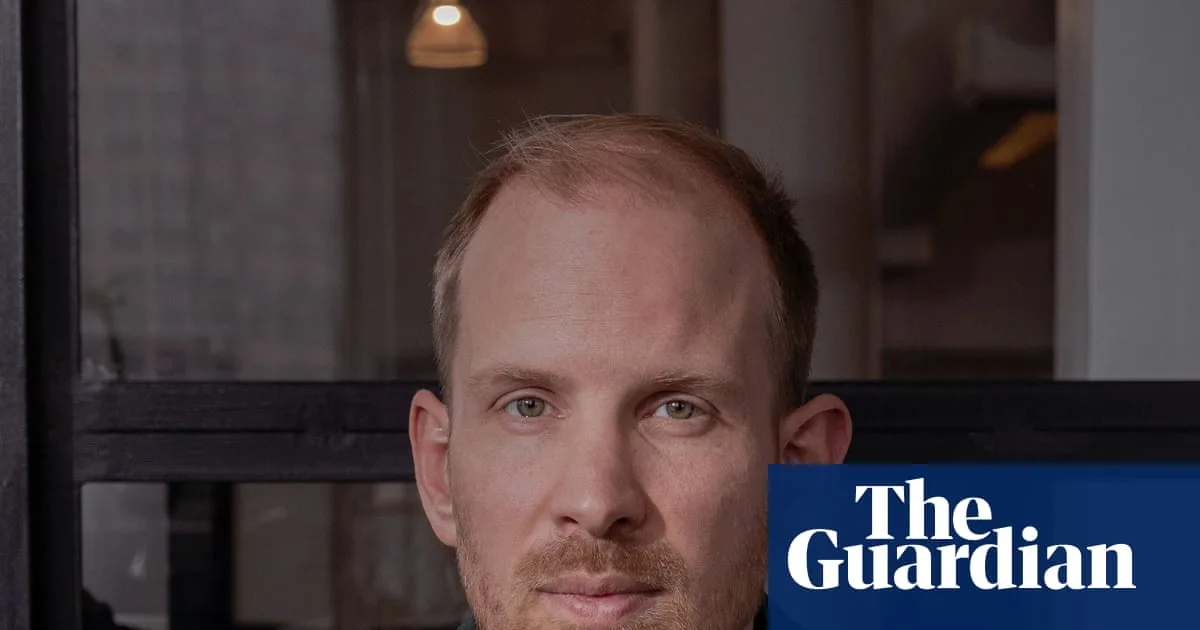
The BBC has instructed its journalists not to repeat a line removed from this year's Reith lecture, in which Dutch historian Rutger Bregman called Donald Trump “the most openly corrupt president in American history”. The corporation said the decision to cut the line was based on legal advice, amid an ongoing threat from Trump to sue the BBC for up to $5bn over a Panorama edit of his speech during the Capitol riots.
BBC outlets have been told not to quote the allegation even in news coverage of the edit itself. On Radio 4's Media Show, presenter Ros Atkins stated: “Also, for legal reasons, we’re not able to tell you what that line is.” An earlier BBC News article covering the controversy similarly noted that it was not repeating the line on legal advice.
Bregman accused the BBC of cowardice, saying the decision to suppress the line in news reporting indicated a deeper problem of self-censorship. “If BBC journalists are not allowed to mention a sentence in a story about censorship, then the problem is far bigger than one line in my lecture,” he said. He called for transparency over who made the decision and on what grounds.
The BBC defended its actions as standard practice. A spokesperson said: “It is standard practice that programmes will reflect the legal advice they’re given.” The corporation previously apologised for a Panorama edit that mistakenly suggested Trump had directly called for violence on 6 January 2021; no lawsuit has been filed.
Conservative MP Caroline Dinenage, chair of the culture media and sport select committee, said the BBC's nervousness about reporting on Trump was a direct result of its editing mistake. She told the Media Show: “The fact that everyone is now tiptoeing very carefully around and unable to say things even on your programme for the threat of legal action just shows where we’ve come to in this.”
Former Financial Times editor Lionel Barber called the edit a “terrible, weak-kneed decision”, arguing that lawyers should not have the final say on matters of opinion. Dinenage suggested that BBC chair Samir Shah should remain in post despite concerns over his handling of the controversy, but called for fundamental changes to restore stability.




