

Australian Police Seize Satirical Posters of Trump and Netanyahu Under Hate Laws
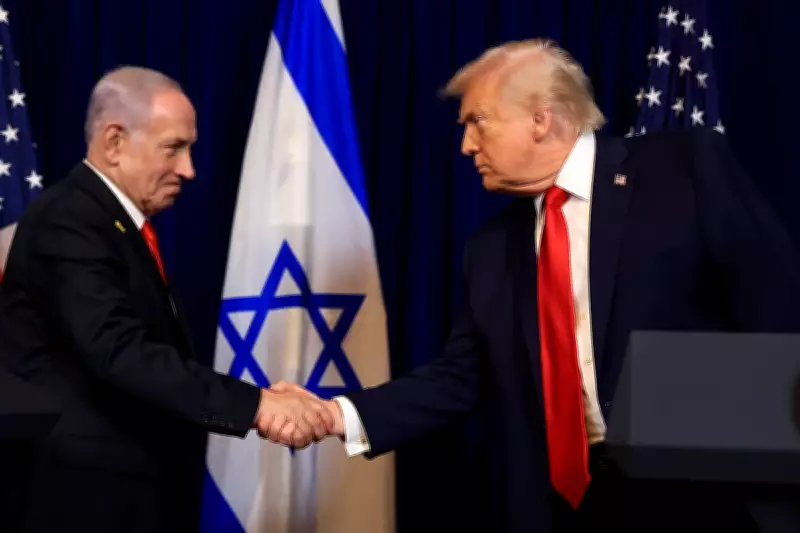
In a controversial move, Australian police have confiscated satirical posters from the Dissent Cafe in Canberra that depicted world leaders, including US President Donald Trump and Israeli Prime Minister Benjamin Netanyahu, dressed in Nazi uniforms. The incident occurred on Thursday, 19 February 2026, and has ignited a heated debate over the boundaries of artistic expression and new federal hate symbol legislation.
Police Action and Cafe Owner's Response
Authorities seized five posters after the cafe owner, David Howe, refused to remove them, treating the establishment as a crime scene. Howe strongly criticised the police, stating that the posters were "demonstrably anti-fascist" and intended to critique authoritarianism rather than promote hate. He argued that the artwork was a form of political satire, protected under exemptions in the new laws for artistic purposes.
New Hate Symbol Legislation and Its Implications
The police action was conducted under recently enacted federal hate symbol laws, which criminalise the public display of banned symbols. However, these laws include specific exemptions for artistic, educational, and journalistic uses. This case highlights the ongoing tension between enforcing hate crime prevention and safeguarding free speech, with many questioning whether the police overstepped by targeting satirical content.

Artist's Condemnation and Public Reaction
The artist behind the posters, known as Blam, condemned the seizure, asserting that the police misunderstood the anti-fascist message of the artwork. Blam emphasised that the satire was aimed at exposing the dangers of fascism, not endorsing it. Public reaction has been mixed, with some supporting the police for upholding the law, while others defend the cafe's right to display provocative art as a form of social commentary.
Ongoing Inquiries and Broader Context
Inquiries into the incident are still ongoing, as authorities assess whether the posters violate the hate symbol laws. This event follows related international news, such as Trump's warnings to Iran on nuclear programs during Netanyahu's visit to Florida, underscoring the global relevance of the depicted leaders. The case raises important questions about how democracies balance security concerns with artistic freedom, particularly in an era of increasing political polarization.






