
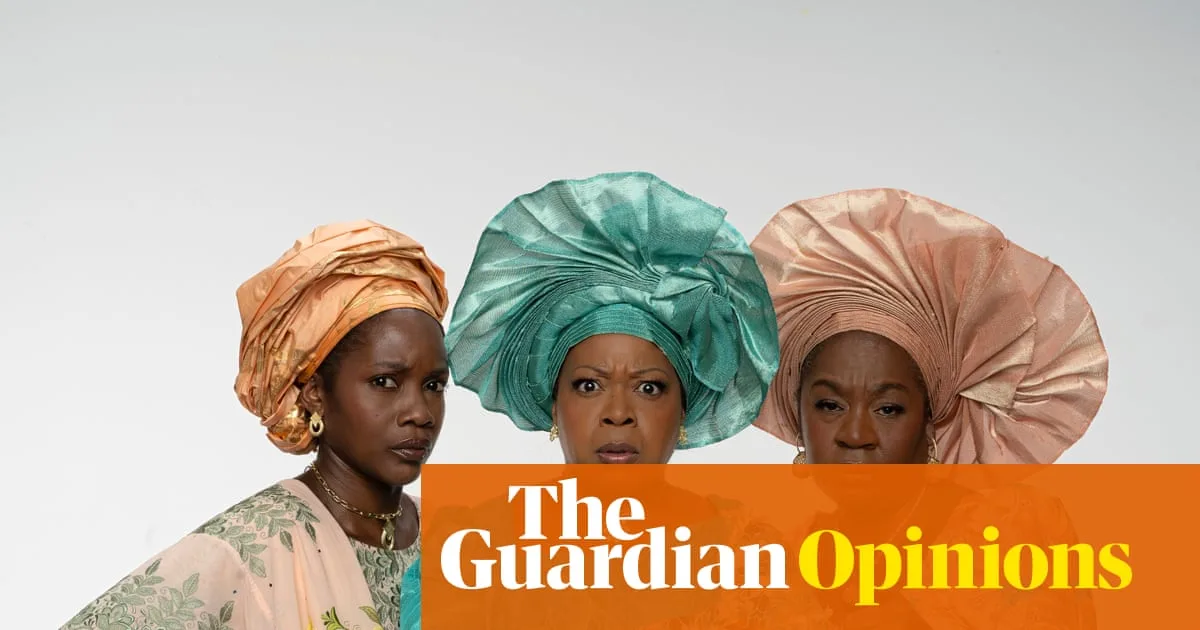
An employment tribunal has ruled that repeatedly calling a colleague 'auntie' can constitute harassment, even if the term is intended as a mark of respect in the speaker's culture. The case between NHS workers Ilda Esteves and Charles Oppong has sparked debate about how different cultural norms around age and address can clash in the British workplace.
The tribunal heard that Oppong, who is Ghanaian, used 'auntie' as a term of respect for older women, as is common in many West African, Caribbean and South Asian cultures. However, Esteves, 61, asked him to stop. He did not, and also suggested an older colleague would be a 'good match' for her. The tribunal awarded Esteves £1,425 in compensation.
For many people from these backgrounds, 'auntie' and 'uncle' are honorifics that convey authority and good manners, reflecting a culture that values age and experience. Yet in British society, where age hierarchies are flatter and older women often face ageism and misogyny, the term can be interpreted as undermining or patronising.
Commentator Lola Okolosie notes that the case reveals the complexities of holding multiple cultural identities. While she personally does not share Western discomfort with ageing, she acknowledges that the term can carry different weight depending on context. The key, she argues, is respecting individual preferences: what one person sees as a sign of respect, another may experience as harassment.




