Rapper Afroman Triumphs in Defamation Case Against Ohio Police Over Raid Videos
Afroman Wins Lawsuit Against Police Over Mocking Raid Videos

Rapper Afroman Secures Legal Victory in Defamation Case Against Ohio Police

The Grammy-nominated rapper Afroman has emerged victorious in a high-profile defamation lawsuit brought by seven Ohio sheriff's deputies. The legal action centred on music videos created by the artist, which utilised home security footage to satirise a controversial 2022 raid on his residence.

Courtroom Celebration and First Amendment Defence

Following the Wednesday evening verdict, the 51-year-old rapper, born Joseph Foreman, celebrated outside the courthouse, exclaiming, "We did it, America! Yeah, we did it! Freedom of speech! Right on! Right on!" He promptly shared the triumphant moment on social media. The case rigorously examined the boundaries of parody and the artistic licence permissible in social commentary directed at public figures.

The deputies had collectively sought nearly $4 million in damages. Defence attorney David Osborne, representing the rapper and comedian famed for his 2000 hit "Because I Got High," argued in closing statements, "No reasonable person would expect a police officer not to be criticised. They've been called names before."

Wide Pickt banner — collaborative shopping lists app for Telegram, phone mockup with grocery list

Viral Videos and Allegations of Misconduct

The Adams County deputies claimed they faced public harassment due to the viral videos, which amassed over 3 million views on YouTube. The footage depicted rifle-wielding officers forcibly entering Afroman's home, meticulously searching his shoes and suit pockets, and notably eyeing a cake on the kitchen table. This scene inspired the song title "Lemon Pound Cake."

In subsequent music videos, Afroman targeted the deputies' personal lives and labelled them "crooked cops" following the disappearance of $400 during the raid. Testifying this week, the rapper stated, "Police officers shouldn’t be stealing civilians’ money. This whole thing is an outrage."

First Amendment Arguments and Personal Impact

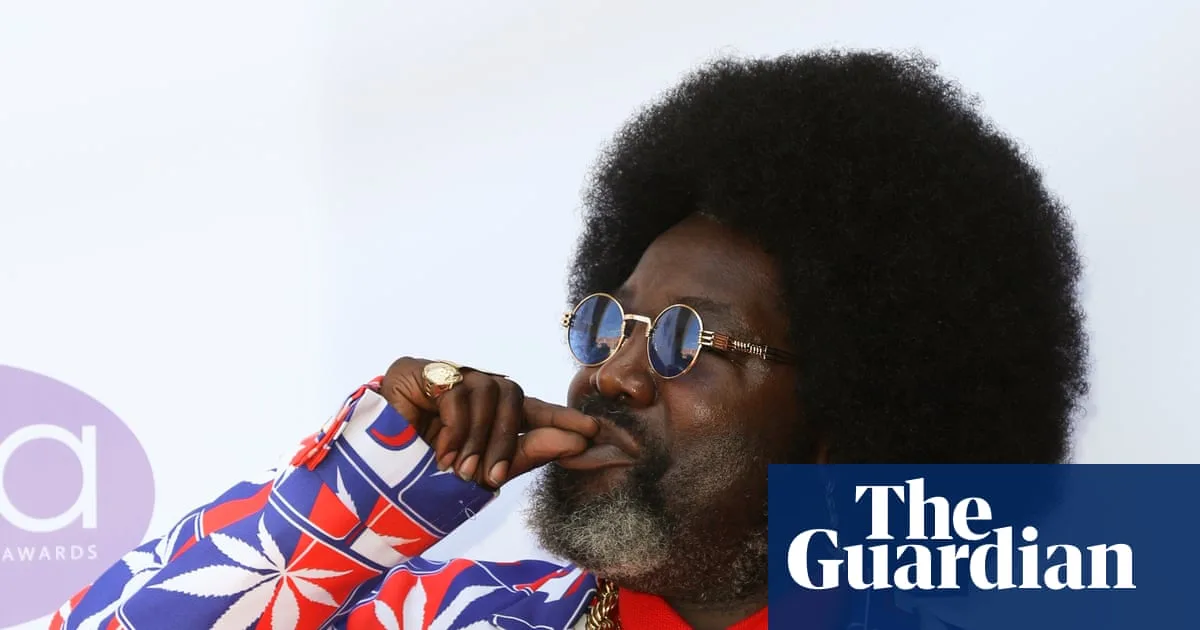
Appearing in court wearing a red, white, and blue American flag suit, Afroman defended his creative work on First Amendment grounds. He explained that he released the diss tracks to recoup damages from the raid, including a broken gate and front door. No charges were filed from the 2022 incident, which a warrant indicated was part of a drug and kidnapping investigation.

Afroman testified about his right to inform his friends and fans about the police actions, emphasising that the raid traumatised his children, then aged 10 and 12. "The whole raid was a mistake. All of this is their fault. If they hadn’t have wrongly raided my house, there would be no lawsuit. I would not know their names," Foreman asserted. "They wouldn’t be on my home surveillance system, and there would be no songs, nothing."

Lyrical Content and Police Testimony

The lyrics of "Will You Help Me Repair My Door?" directly address the officers: "Did you find what you were looking for/ Would you like a slice of lemon pound cake/ You can take as much as you want to take/ There must be a big mistake." The video includes slowed-down footage showing an officer holding a gun near a cake stand in Afroman's kitchen.

Further verses rap, "The warrant said, ‘Narcotics and kidnapping’/ Are you kidding? I make my money rapping," and "You crooked cops need to stop it/ There are no kidnapping victims in my suit pockets," accompanied by video of officers searching his closet.

In their testimony, the deputies contended the songs ridiculed them. Deputy Lisa Phillips described a "derogatory" music video that questioned her gender and sexuality. Sergeant Randy Walters testified that his child was hazed at school over Afroman's posts and returned home in tears, asking, "Where in the world is it OK to make something up for fun that’s damaging to others when you know for sure it’s an absolute lie?"

Pickt after-article banner — collaborative shopping lists app with family illustration

Legal Arguments and Final Ruling

Afroman's lawyer argued in closing that exaggeration is common in artistic social commentary. Conversely, Robert Klingler, representing the deputies, accused Afroman of lying about "these seven brave deputy sheriffs" for three years. "Even if somebody does something to you that hurts you, that you think is wrong — like a search warrant execution that you think is unfair ... that doesn't justify telling intentional lies designed to hurt people," he contended.

The rapper resides in Winchester, approximately 50 miles (80 km) outside Cincinnati. The verdict reinforces significant protections for artistic expression under the First Amendment, setting a precedent for similar cases involving public figures and parody.




