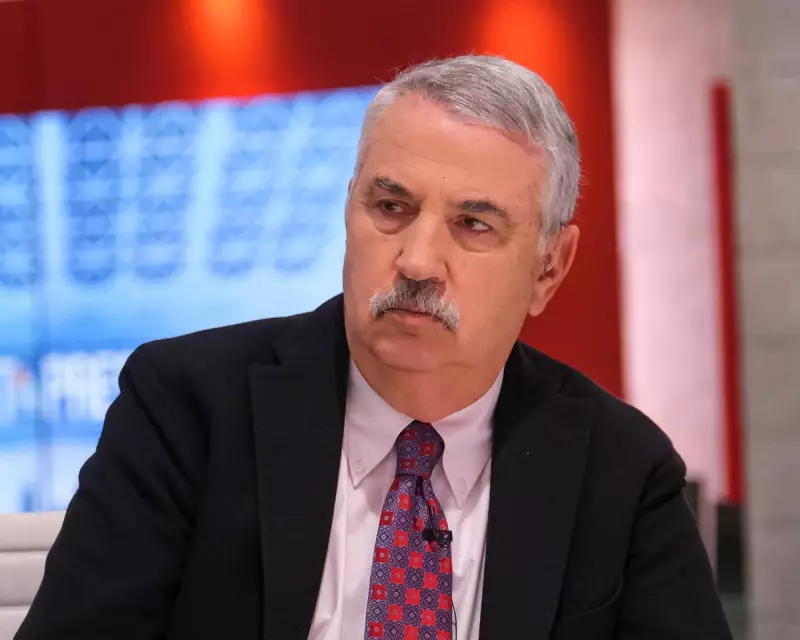
The prestigious Adelaide Writers' Week finds itself embroiled in a deepening controversy over artistic freedom and alleged censorship, after New York Times columnist Thomas Friedman claimed he was uninvited from the 2024 event.
A Claim of Cancellation Over 'Timing'
Friedman, a prominent Jewish American journalist, confirmed to Australian media that after initially agreeing to participate via video link, he was later informed by festival organisers that 'the timing would not work out'. This notification came shortly after a group of ten academics, including Palestinian author Randa Abdel-Fattah, petitioned for his removal. Their objection centred on a controversial column Friedman wrote for the New York Times, which drew analogies between the Middle East conflict and the animal kingdom.
The festival's board responded to the academics' petition with a letter defending artistic freedom, stating that requesting the cancellation of a writer was an 'extremely serious' issue. However, the board then cited 'last-minute scheduling issues' as the reason for Friedman's withdrawal, a justification now under intense scrutiny.

Accusations of Hypocrisy and Boardroom Conflict
The situation escalated dramatically when former festival board member Tony Berg made his resignation letter public. Berg, who is of Jewish heritage, launched an extraordinary attack on the festival's director, Louise Adler, accusing her of 'hypocrisy' and of lobbying the board to retract Friedman's invitation.
In his statement, Berg alleged that Adler, alongside the festival's artistic director and chief executive, presented the board with an ultimatum: disinvite Friedman or face their resignations. Faced with this threat, the board felt it had no alternative but to withdraw the invitation, Berg claimed. He further argued that both Adler and Abdel-Fattah were being hypocritical in later accusing the board of repressing free speech, having actively sought to deny it to Friedman.
Fallout and Denials Reshape the Festival
The fallout from these events has been swift and significant. Louise Adler resigned from her position on Tuesday, though this was linked to the separate controversy surrounding the disinvitation of Randa Abdel-Fattah from the 2024 programme. Later that same day, the Adelaide Festival Corporation announced the cancellation of the Writers' Week event for 2026.
Adler hit back at Berg's allegations, accusing him of breaching board confidentiality and stating his actions were indicative of the board's problematic operations. Meanwhile, Randa Abdel-Fattah disputed Berg's characterisation of her role, clarifying she was one of ten signatories to a formal, researched letter and highlighting a disparity in power: 'We write letters on Google Docs to boards. The people who want to cancel us have premiers intervening.'
South Australian Premier Peter Malinauskas has repeatedly denied any direct government interference in the board's decisions, insisting it acted independently. The festival's chair, Tracey Whiting, who signed the letter regarding Friedman's 'scheduling issues', resigned from her role last Saturday.
This series of events has left the renowned literary festival grappling with profound questions about freedom of expression, the influence of external pressure on programming, and perceived double standards in the application of these principles. The controversy underscores the intense and divisive global debates that cultural institutions are increasingly forced to navigate.