
The controversy surrounding British-Egyptian activist Alaa Abd el-Fattah has reignited a national debate on what it means to be British. Abd el-Fattah, who was granted UK citizenship in 2021 due to his British-born mother, faced calls from Conservatives and Reform UK to be stripped of his passport after racist and offensive tweets from 10 to 15 years ago resurfaced. He has since apologised for the remarks.
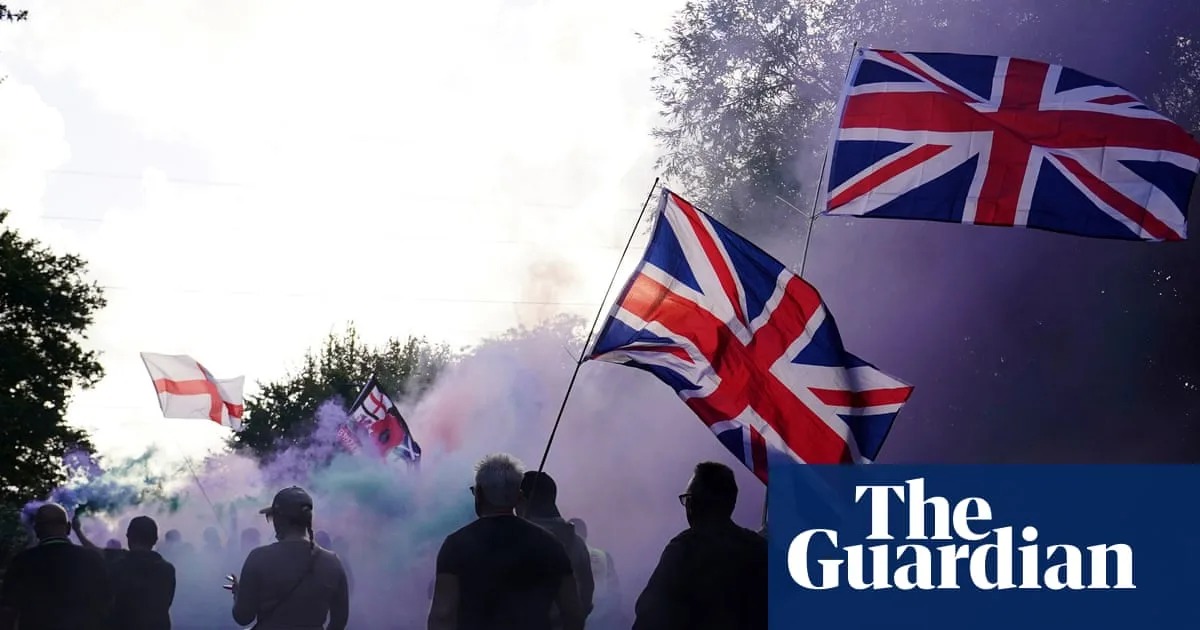
The case highlights a shift in public opinion on national identity, according to a new report by the Institute for Public Policy Research (IPPR). The study found that 36% of people now believe you must be born in the UK to be truly British, up from 19% in 2023. This growing sentiment contrasts with the reality that many British citizens, including high-profile cases like Nazanin Zaghari-Ratcliffe and Jimmy Lai, acquired citizenship through naturalisation or heritage.
Downing Street has defended Abd el-Fattah's right to consular support, emphasising that many Britons detained abroad have dual nationality. The row has exposed divisions within mainstream politics, with Labour leader Sir Keir Starmer positioning his party as a progressive alternative to the nationalist rhetoric of Reform UK and the Conservatives. However, some Labour MPs argue Starmer has been too hesitant in articulating a clear vision of Britishness during moments of crisis.
The IPPR report warns that “animating an alternative vision of nation cannot be outsourced to a few speeches or policies,” urging the prime minister to tell a compelling story about Britain's identity and future. As the debate intensifies, the Abd el-Fattah case serves as a flashpoint for broader questions about citizenship, belonging, and the values that define the nation.




