White House Denies Blocking Return of US Doctor with Ebola
White House Denies Blocking US Doctor's Ebola Return

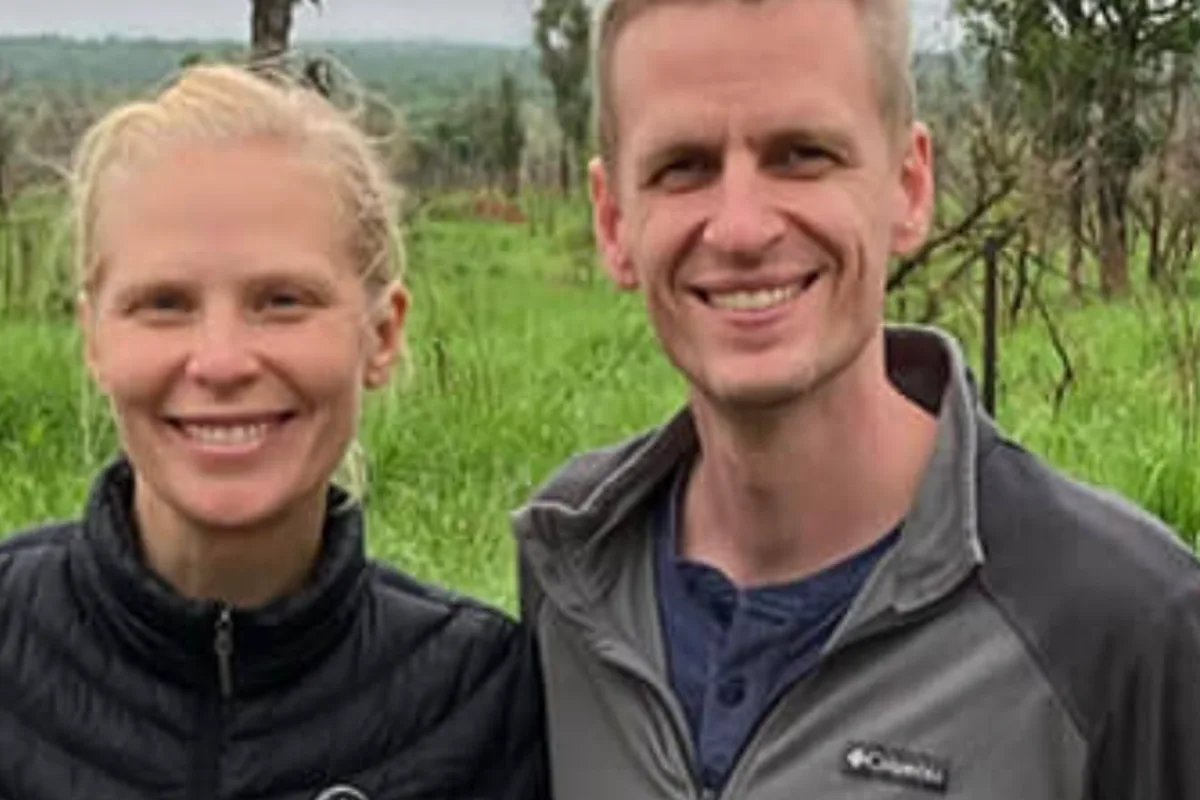
The White House has denied allegations that it resisted allowing an American doctor infected with Ebola to return to the United States for treatment. Dr Peter Stafford, a physician working in the Democratic Republic of the Congo (DRC), is currently receiving care at Berlin's Charite University Hospital after testing positive for the Bundibugyo strain of the Ebola virus, which has no approved vaccine.

Background of the Controversy

According to a report by the Washington Post, officials from the Centers for Disease Control and Prevention (CDC) and the Administration for Strategic Preparedness and Response advocated for Dr Stafford to be treated at a US facility with special biocontainment units. However, the report claimed that White House officials expressed reluctance to bring him back to the United States. Ultimately, Stafford was flown to Germany instead.

White House Spokesperson Kush Desai called the report "absolutely false" and explained that Stafford was taken to Germany because it is 12 hours closer to the DRC than the United States, and "time is of the essence." Desai stated, "Given that this American was in a very unstable part of the DRC, which as a whole is an unstable country, the Administration did what it could to most efficiently and effectively maximize this American's odds of survival and minimize the odds of further transmission."

Wide Pickt banner — collaborative shopping lists app for Telegram, phone mockup with grocery list

Details of the Evacuation

Dr Stafford, 39, was treating patients in a remote area of the DRC with the nonprofit Christian ministry Serge when he fell ill. His location complicated the evacuation, requiring multiple flights, including one where he was placed in a containment tube. He tested positive for the Bundibugyo virus, which has a fatality rate between 30 and 50 percent, according to the World Health Organization (WHO). Early medical intervention through supportive care is considered lifesaving.

Those familiar with the matter told the Washington Post that Stafford would likely have been sent to the Nebraska Biocontainment Unit at the University of Nebraska Medical Center. However, that facility has 20 beds, 18 of which are occupied by people quarantining from exposure to hantavirus abroad on a cruise ship. Additionally, sending Stafford to the US would have separated him from his wife and four young children, who were with him in the DRC.

White House Response

Desai dismissed the notion that the White House was concerned about optics, saying, "The idea that the White House was concerned that bringing a sick American back home to receive the best standard of care would somehow be poor optics is not only false, but nonsensical." He added that Charite Hospital is "internationally recognized as one of the best facilities in the world for the treatment and containment of viral diseases like Ebola, on par with leading facilities here in the United States."

Stafford's Condition and Family

Stafford had operated on a patient who may have unknowingly had Ebola. The patient died and was buried before testing could occur. Days later, Stafford began feeling sick, experiencing fever and nausea, which are early symptoms of Ebola. By the time of evacuation, he was unable to walk without assistance. His wife, Dr Rebekah Stafford, who was also exposed to a patient with Ebola, remains asymptomatic and has been evacuated with their four children to a location where they can be monitored.

Broader Context

The Ebola outbreak is currently contained to the DRC and Uganda. Health officials are working to prevent further spread, though some experts express concern that limited American intervention may hinder containment efforts. Typically, the US plays a leading role in controlling epidemics. When asked about the outbreak, President Trump said he was "concerned" but noted it was confined to Africa. Desai highlighted the administration's record, saying, "President Trump has consistently taken great risks to ensure Americans exposed to deadly and contagious diseases are safely brought back home."

Pickt after-article banner — collaborative shopping lists app with family illustration




