
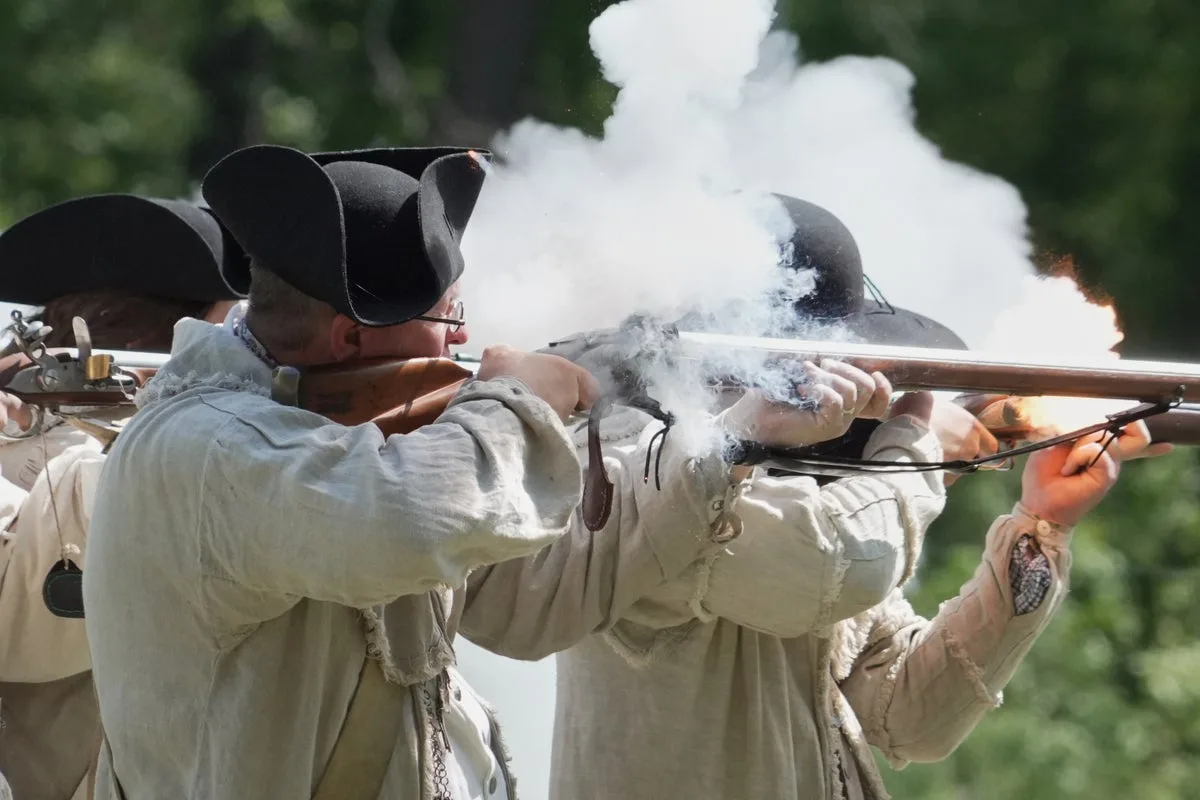
A legal loophole in the United States allows convicted felons to own antique muskets and cannons, as these weapons are often not classified as 'firearms' under federal and most state laws. The .75-calibre Brown Bess flintlock musket, capable of firing a lead ball at 1,000 feet per second, is among the weapons exempt from regulation.
Dave Hardy, a Second Amendment scholar and gun-rights attorney, noted that many judges would be surprised to learn of this loophole. The exemption dates back to the Gun Control Act of 1968, when Senator John Goodwin Tower argued that antique weapons should be excluded to avoid burdening collectors and historians.
The federal definition of an antique includes weapons with matchlock, flintlock, or percussion cap ignition systems manufactured in or before 1898, provided they have not been modified for modern ammunition. Most states have adopted this definition, but enforcement varies widely.
Patrick Luther, a military historian, described the situation as a 'patchwork.' While states like Hawaii, Ohio, and North Dakota treat smoothbore muskets the same as modern rifles, others allow felons to possess them. Maryland tightened its laws after a convicted sex offender used a replica cap-and-ball revolver to kill his ex-girlfriend.
Reenactor Jason Monhollen argued that muskets are ineffective for modern violence, stating that a car could kill more people quickly. However, legal experts warn that the loophole remains a concern, with some states lacking clear definitions or restrictions on antique weapons.




