
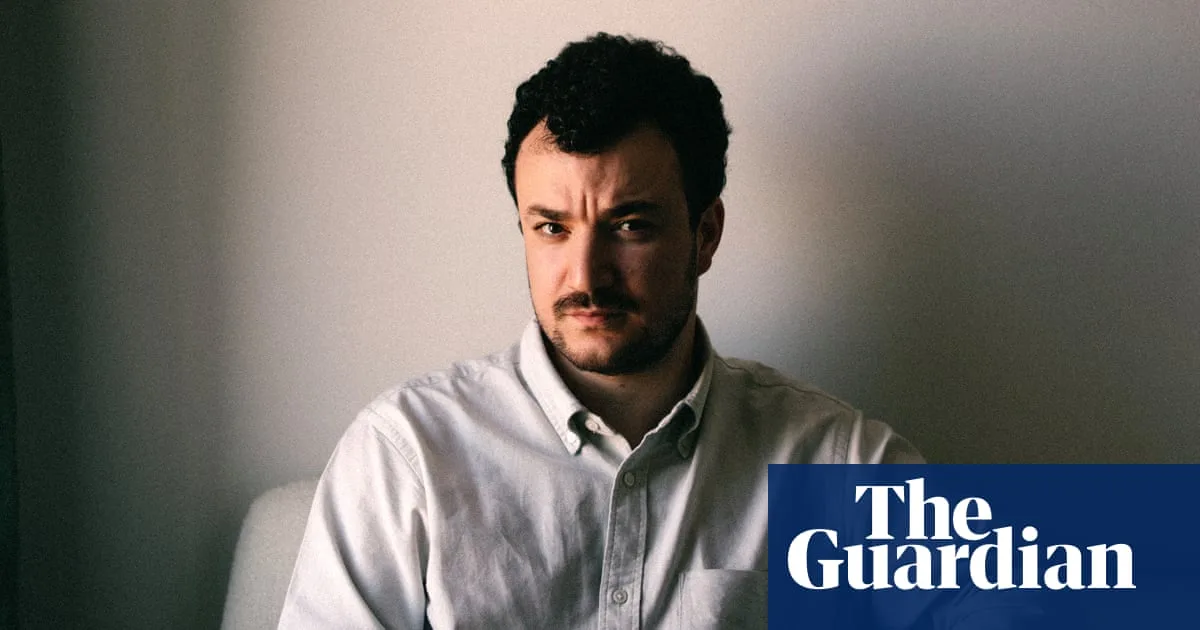
A federal appeals court in the United States has reversed a lower court ruling that ordered the release of Mahmoud Khalil, a former Columbia University graduate student and prominent pro-Palestinian activist, from immigration detention. The decision, issued on Thursday by a 2-1 panel of the Philadelphia-based Third US Circuit Court of Appeals, marks a victory for the Trump administration in its efforts to deport Khalil.
The panel, comprising Circuit Judges Thomas Hardiman and Stephanos Bibas, concluded that federal immigration law stripped the lower court of jurisdiction over Khalil's claims. The judges wrote that the scheme Congress enacted governing immigration proceedings provides Khalil with a meaningful forum to raise his claims later, through a petition for review of a final removal order. They added that the scheme ensures petitioners get "just one bite at the apple," but also means some, like Khalil, must wait to seek relief for allegedly unlawful government conduct.
In a dissenting opinion, Circuit Judge Arianna J Freeman argued that Khalil had alleged serious violations of his fundamental rights and demonstrated irreparable harm from his detention. She noted that the government did not challenge the finding that his speech was being chilled, and said the majority's reasoning that he could seek review later misses the point, as the question is whether the harms can be remedied later.
Khalil, in a statement on Thursday, said the ruling was "deeply disappointing" but would not break his resolve. He said the decision may have opened the door for potential re-detention but had not closed his commitment to Palestine and to justice and accountability. He pledged to continue fighting through every legal avenue until his rights and those of others like him are fully protected.
Khalil, a permanent resident married to an American citizen with an American child, was detained in March 2025. The US government argued he could be expelled because his views, which included organising protests and encampments calling for a ceasefire and an end to US support for Israel, constituted a threat to US foreign policy. Secretary of State Marco Rubio said Khalil's activities were "otherwise lawful" but allowing him to stay would undermine US policy to combat antisemitism and protect Jewish students.
His detention drew widespread criticism from civil liberties groups. In June, a federal judge ordered his release after more than three months, saying he posed no flight risk and was "not a danger to the community, period, full stop." The American Civil Liberties Union also commented on Thursday's ruling, though details of its statement were not included in the original report.




