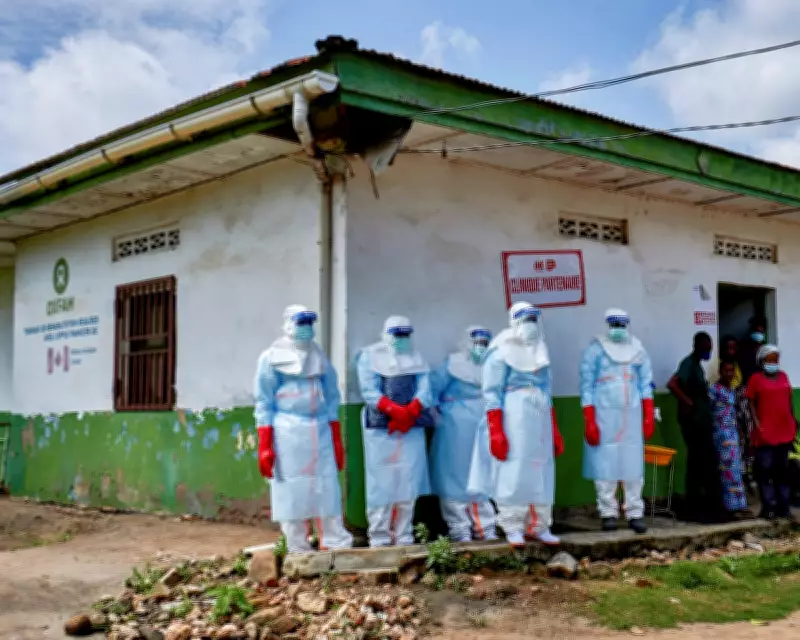
The United States has announced a sweeping travel ban targeting individuals from the Democratic Republic of the Congo (DRC), Uganda, and South Sudan in response to the escalating Ebola outbreak in the region. The decision, revealed by the White House on Thursday, has drawn sharp criticism from global health authorities who argue that such measures are counterproductive and may hinder efforts to contain the virus.
Details of the Travel Restrictions
The ban applies to foreign nationals who have been in any of the three countries within the past 21 days. It does not apply to U.S. citizens or lawful permanent residents, though they may face enhanced screening upon return. The move mirrors similar restrictions imposed during the 2014 West Africa Ebola epidemic, which were later criticized for discouraging health workers from traveling to affected areas.
Global Health Community Responds
The World Health Organization (WHO) has expressed concern that travel bans can create a false sense of security while actually increasing the risk of international spread by disrupting travel and trade. Dr. Michael Ryan, executive director of the WHO Health Emergencies Programme, stated: "Travel bans are not based on evidence and often lead to economic isolation and underreporting of cases."

Ebola, a highly contagious and often fatal virus, has claimed over 1,200 lives in the DRC since the outbreak began in August 2024. Uganda and South Sudan have reported sporadic cases linked to cross-border transmission. The U.S. Centers for Disease Control and Prevention (CDC) has issued a Level 3 travel warning, urging Americans to avoid nonessential travel to the region.
Political and Economic Implications
The travel ban has also sparked debate about its impact on regional stability. Critics argue that it may strain diplomatic relations and exacerbate economic hardships in already fragile states. The DRC government has denounced the decision, calling it "discriminatory and unjustified."
Meanwhile, some U.S. lawmakers have defended the ban, citing the need to protect American public health. Senator Ted Cruz of Texas said: "Our first priority must be the safety of the American people. We cannot afford to take risks with a deadly virus."
As the outbreak continues, health officials emphasize the importance of coordinated international response, including funding for healthcare infrastructure and vaccine distribution. The travel ban, they warn, may ultimately undermine these efforts.