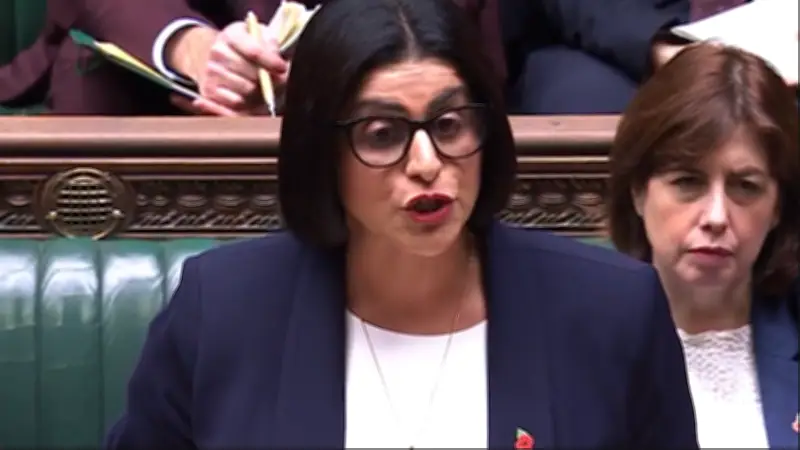
Home Secretary Shabana Mahmood has announced the biggest overhaul of UK migration rules in a generation, doubling the standard wait for indefinite leave to remain (ILR) from five to ten years, while rolling back a controversial proposal that would have made migrant care workers wait 15 years to settle.
The changes, confirmed in the House of Commons, mean around 500,000 people will now face longer waits for ILR. High earners and NHS workers are among those who can apply sooner. For the first time, approval will require a spotless criminal record, a high standard of English, no debt to the government, and a record of National Insurance contributions.
Ms Mahmood said: "Settled status is one of the most valuable rights this country can offer. Until now it has been given almost automatically. From today, it must be earned."
New settlement timeframes
Currently, migrants are granted ILR after five years in the country. Ms Mahmood told the Commons this is a near-automatic process that will change. The standard settlement time will double to 10 years, while people who arrive by small boats face waits of 20 or 30 years.
The new system introduces tiered waits: three years for additional rate taxpayers earning over £125,141 and those on highly skilled routes such as Global Talent and Innovator Founder; five years for higher rate taxpayers earning over £50,271 and skilled public service workers like doctors, nurses and teachers, as well as refugees on safe and legal routes; 10 years as the new standard; and 20 years for people who claim certain benefits or commit a visa offence.
Care worker exemption
One of the most controversial aspects of the proposals was the impact on the care sector. Under Ms Mahmood's original plan, migrant care workers would have faced a 15-year wait, up from the current five. Critics warned this would scupper Andy Burnham's ambition of creating a new National Care Service.
In a statement, the Home Office said: "In recognition of the contribution care workers made to Britain when the sector was reeling from the Covid-19 pandemic, those who met their visa conditions and earned at least £25,000 a year, will be able to settle after five years."
Impact and eligibility criteria
The Home Office estimates that 500,000 people will now wait more than five years to qualify for ILR. Ms Mahmood said this matters because ILR brings many of the rights enjoyed by British citizens, including access to welfare and social housing. The Home Office says billions of pounds will be taken off the welfare bill as a result, though no precise figure has been given. The government estimates around 1.9 million people will become eligible for ILR between this year and 2030.
For refugees, new settlement times have also been set: five years for those on safe and legal routes; 10 years for those who did not come by small boat and have entered work or study; 20 years for those who did not arrive by small boat and have not entered work or study, as well as those who came by small boat and have entered work or study; and 30 years for those who arrived by small boat and have not entered work or study.
To qualify for ILR, people will need a spotless criminal record, English spoken to a high standard equivalent to A-level English as a foreign language, no debt owed to the taxpayer, and a record of sustained National Insurance contributions.
Volunteering proposal scrapped
A proposal to let people do voluntary work in their communities to earn faster settlement has been scrapped. The government said doubts were raised during the consultation. It said: "Respondents, including voluntary-sector organisations, raised significant concerns about making volunteering work part of the settlement system, including around safeguarding, verification and the risk that vulnerable people could be pressured into unpaid activity. The government will therefore not use volunteering to reduce settlement periods under the new Earned Settlement model."
The Prime Minister voiced support for the measures. In a statement, he said: "People want to see an immigration system based on control, contribution, and which rewards those who play by the rules. These proposals are based on that principle and recognise the contribution made by overseas workers to our country. Following Brexit, the previous government lost control of immigration, with an unprecedented spike in numbers. This Home Secretary is gripping this problem, and she has my full support in doing so. It is only fair that those who are making the most valuable contribution to our communities are given the opportunity to settle earlier. Those in other roles should expect to wait longer while people who abuse the system or arrive illegally will be refused or will also have to wait longer."