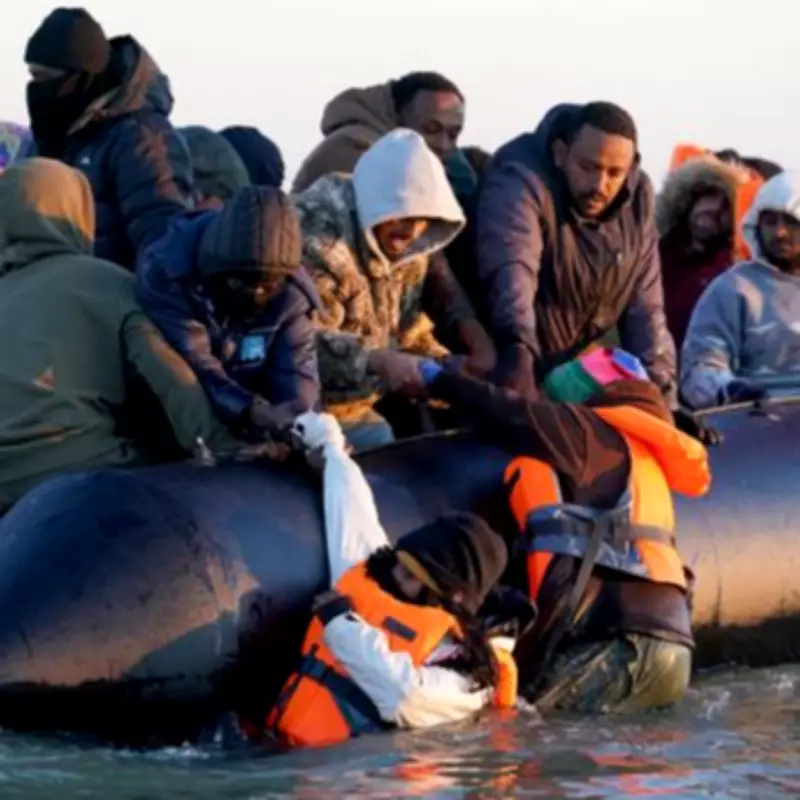
The Home Office has unveiled plans for a new detention facility in Dunkirk, France, capable of holding up to 140 migrants intercepted while attempting to cross the English Channel. The centre, expected to be operational by the end of 2026, will focus on returning failed asylum seekers to their home countries or other European nations they passed through.
Details of the Agreement
The facility is part of a landmark UK-France migration deal signed by Home Secretary Shabana Mahmood and French Interior Minister Laurent Nuñez on Thursday. The agreement includes a £662 million package, with £160 million allocated to French authorities based on results in stopping small boat crossings. France has pledged a 40% increase in personnel along its coastline, raising the number of officers from 750 to 1,100.
Initially, the approach will be trialled at a removal centre in Coquelles from next month. The Dunkirk site will target migrants from the top ten nationalities crossing the Channel: Eritrea, Afghanistan, Iran, Sudan, Somalia, Ethiopia, Iraq, Syria, Vietnam, and Yemen.

Government Stance
Home Secretary Shabana Mahmood stated: “This Government is bearing down on illegal small boat crossings. Under this new agreement, we will remove those with no right to be here before they attempt to cross the Channel – starting this year.” She has also committed to expanding safe and legal routes in the future.
Human Rights Criticism
Human rights groups have condemned the detention centre. Sile Reynolds, head of asylum advocacy at Freedom from Torture, said: “Caring people across the country will be outraged to discover their money is funding the detention of survivors of torture and war in France. People like the survivors we support who have fled unimaginable atrocities from conflicts in Sudan, Iran, and Eritrea. People whose only ‘crime’ was hoping the UK would offer them sanctuary.”
She added: “Survivors of torture and trauma should never be detained. Even the briefest period in detention can cause profound damage, increasing the risk of suicide and self-harm. The idea that they will be swiftly returned to their home country is grossly misleading, bearing in mind the risk of persecution that so many of these people face on return. More likely, they will be left in limbo in a detention centre in northern France as their health and hope deteriorates.”
Steve Valdez-Symonds, Amnesty’s refugee and migrant rights programme director, remarked: “Yet again, millions are being poured into diverting journeys rather than addressing why people are forced to make them. People cross the Channel to escape conflict, persecution, and extreme hardship. They turn to smugglers and dangerous routes because safe alternatives are denied to them.”
Imran Hussain, director of external affairs at Refugee Council, noted: “It’s hard to see how this approach will meaningfully reduce channel crossings. The top nationalities being targeted under this deal include people escaping some of the greatest humanitarian crises in the world right now: a brutal civil war in Sudan, persecution under the Taliban in Afghanistan, and the ongoing war and instability in Iran. People from these countries have genuine reasons to fear for their lives, and we know from our frontline services why some of them feel they can only start over in the UK – many already speak some English, have family here, or have cultural connections to Britain. When people have no safe and legal route to apply for asylum in the UK, they will continue to risk their lives.”
Additional Measures
The deal also includes £500 million for enforcement action, with additional funding contingent on success. A new riot police unit will be established to disperse crowds on beaches, and a French intelligence unit will expand from 18 to 30 officers. Authorities will also target “taxi boats” that pick up migrants in shallow water, deploying 20 additional maritime officers and a new interception vessel. Drones and helicopters will be used to surveil and prevent smugglers from launching dangerous vessels.