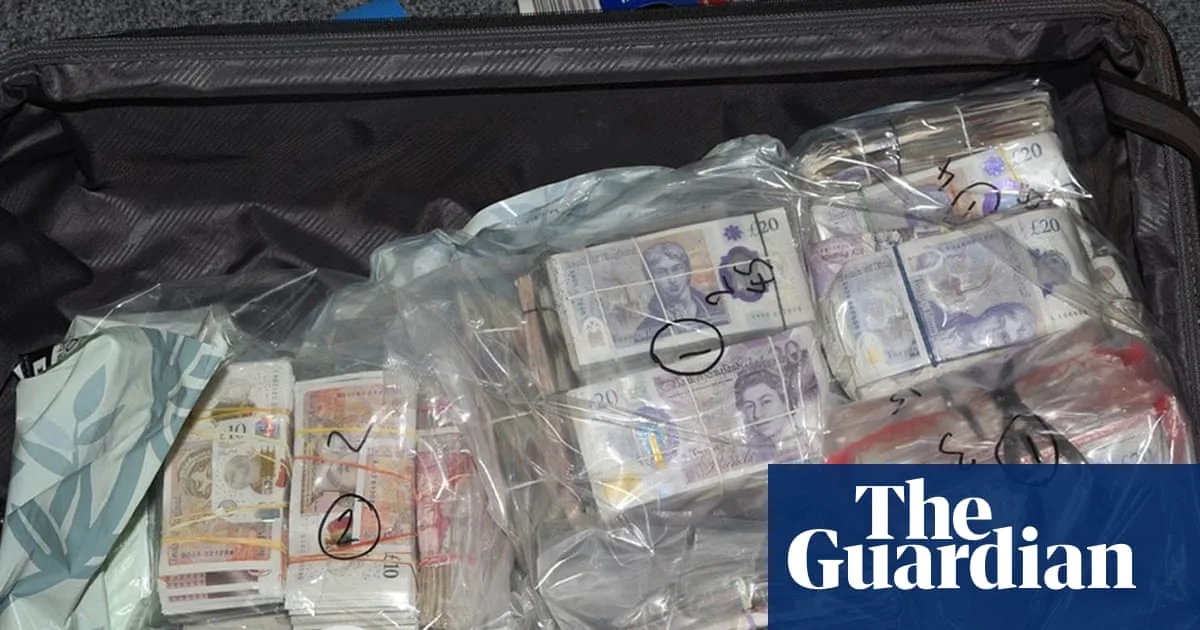
At least £325bn of 'dirty money' flows through the UK each year, according to research by the Finance Innovation Lab charity. The figure is equivalent to more than 10 per cent of UK GDP and includes funds linked to financial crime, money laundering, corruption, illegal trade and tax evasion.
When the UK's crown dependencies and overseas territories such as Jersey and the Cayman Islands are included, the annual total rises to more than £788bn. The report is believed to be the first comprehensive attempt to quantify illicit finance flows linked to the UK, with cross-border data highlighting the country's role as a hub for dirty money from around the world.
The findings were released as the UK postponed the Illicit Finance Summit from 23-24 June to December. The charity urged Labour ministers to demonstrate leadership in confronting the UK's part in enabling economic crime and tax evasion. Jesse Griffiths, one of the report's authors, said the UK's financial sector often supported illicit flows rather than serving society.
The all-party parliamentary group on anti-corruption and responsible tax backed calls for increased funding for the National Crime Agency and the Serious Fraud Office, arguing that the investment would probably pay for itself through higher fines and asset seizures. Phil Brickell, the group's Labour chair, said it was time for the UK to become part of the solution, not part of the problem.
The report also called for a pause on government plans to make London a global hub for crypto assets, a policy influenced in part by the Trump administration's promotion of digital assets. It warned that such plans risked exacerbating illicit activity, and said a crackdown on UK-linked tax havens was needed, including full transparency over the real owners of shell companies in overseas territories such as the British Virgin Islands.
A government spokesperson said corruption made British people poorer and less safe and highlighted an anti-corruption strategy published in December. The spokesperson said new crypto regulations would bring crypto into the UK regulatory domain by 2027, with 5,500 extra compliance officers being recruited to tackle tax evasion.