
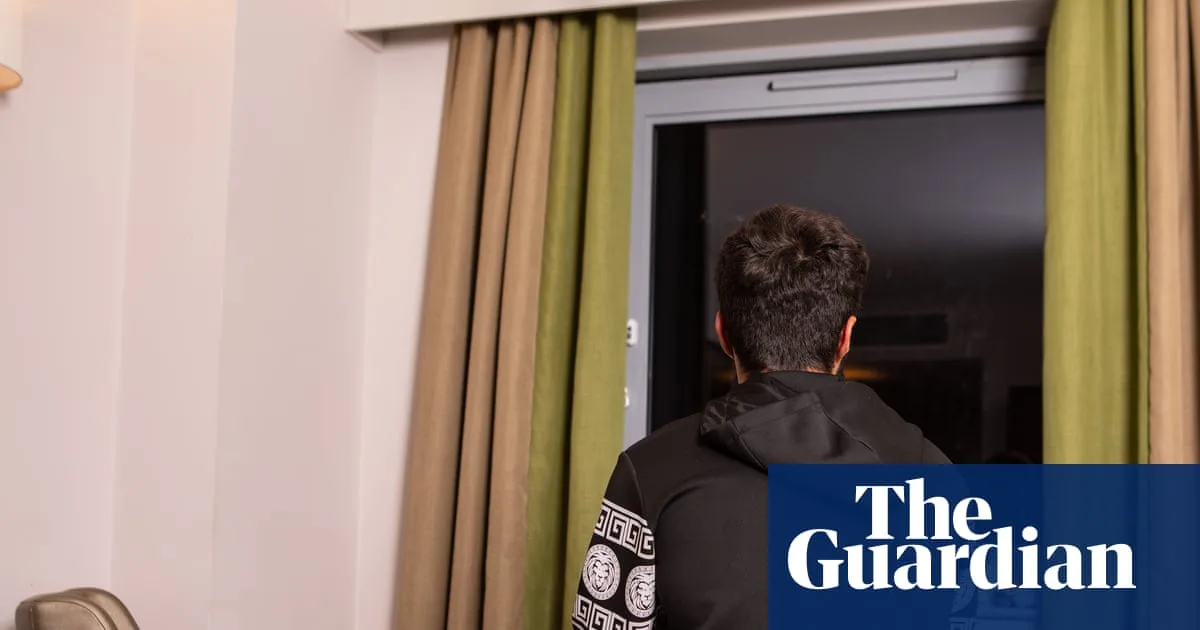
The number of asylum seekers housed in hotels has fallen to its lowest level in 18 months, according to Home Office figures released on Thursday. At the end of December, 30,657 people were staying in hotel accommodation while awaiting a decision on their asylum claim, down from a peak of 56,018 in September 2023 under the previous government. The government has welcomed the figures as evidence that Labour's tightening of the asylum system is working.
Overall asylum applications in 2025 fell by 4% to 100,625, while small boat arrivals increased by 13% to 45,774. Arrivals on small boats made up 41% of all asylum claims last year. On Wednesday, 605 migrants arrived via small boats, the highest single-day total so far this year. Border Security Minister Alex Norris said: 'Genuine refugees are receiving the protection they need, while those with false claims are being identified and returned to their home country. As a result, we are reducing the numbers in taxpayer-funded asylum accommodation, with 45% less hotel use than at the peak under the last government.'
Analysis by the University of Oxford's Migration Observatory found that faster processing reduced the number awaiting an initial decision from nearly 125,000 to about 64,000 between 2024 and 2025. However, the total number of claimants has not fallen significantly because applications have shifted to appeals. Ministry of Justice data shows the number of people awaiting an appeal decision doubled to nearly 70,000 in the year ending September 2025. The asylum grant rate fell to 42% in 2025, down from 47% in 2024 and well below the 2022 peak of 77%. Drops were particularly steep for Syrians, from 98% to 9%; Afghans, from 51% to 34%; Somalis, from 49% to 35%; and Pakistanis, from 53% to 35%.
Refugee charities expressed concern. Louise Calvey, director of Asylum Matters, said: 'Fewer people moving to this country is nothing to celebrate or strive for. People who come here to work and raise their families in peace make us all richer, both economically and culturally. Instead, our government's hostile policy risks making us all poorer.' Imran Hussain, director of external affairs at the Refugee Council, added: 'Although the backlog of initial asylum applications has been brought down, poor-quality decisions mean that many people are still waiting in hotels as they go through the appeals process.'
Resettlement schemes also saw a 35% annual fall, with just over 1,800 people granted protection through safe and legal routes. More than 8,300 children were granted asylum during the period.




