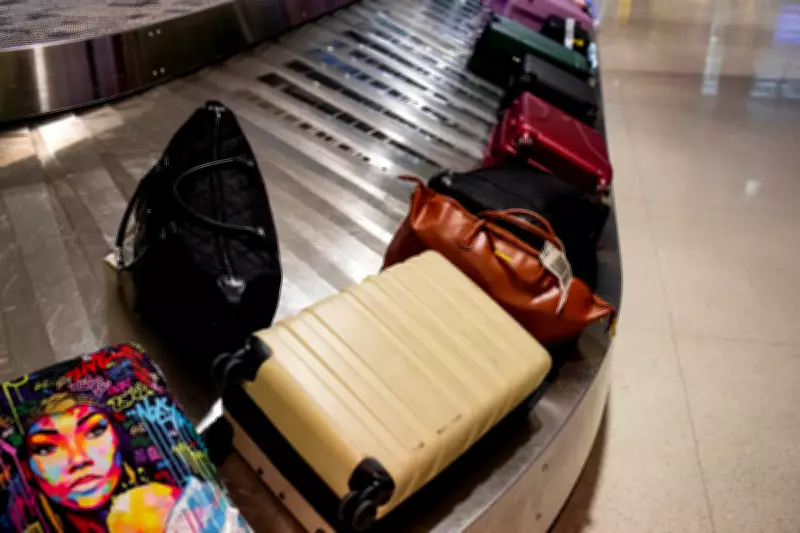
The Transportation Security Administration (TSA) has quietly updated its rules to allow medical marijuana in both carry-on and checked bags, though specific details remain unclear. The TSA website was updated on April 27, now permitting medical marijuana subject to “special instructions” and stating that the final decision rests with the TSA officer at the checkpoint.
Background of the Policy Change
This change follows the reclassification of state-licensed medical marijuana from a Schedule I to a Schedule II drug, signed by Acting U.S. Attorney General Todd Blanche on April 23. The reclassification means that medical marijuana is now considered to have a low potential for dependence, rather than no medical use and a high potential for abuse. This shift marks a significant federal policy change regarding cannabis.
What the New TSA Guidance Says
The updated TSA guidance notes that medical marijuana is permitted in carry-on and checked bags, but travelers must follow specific instructions that are not yet fully detailed. The agency emphasizes that TSA officers do not actively search for illegal drugs; however, if any illegal substances or evidence of criminal activity is discovered during screening, it will be referred to law enforcement.

Travelers are advised to check with their airline and destination state laws, as marijuana remains illegal under federal law despite this policy update. The TSA’s role is security screening, not drug enforcement, but they will report any findings to authorities.
Implications for Travelers
While the TSA update is a step forward for medical marijuana patients, the lack of clear instructions and the discretion given to individual officers could lead to inconsistencies. Passengers are urged to carry documentation, such as a medical marijuana card or prescription, and to be prepared for potential scrutiny. The policy change does not affect international travel, where different rules apply.
This development comes amid broader discussions about marijuana legalization and federal policy. The reclassification of medical marijuana as a Schedule II drug acknowledges its accepted medical use and lower abuse potential, aligning more closely with state laws where medical cannabis is legal. However, recreational marijuana remains illegal under federal law and is not covered by this TSA update.