American presidents have historically been less than forthcoming about their medical conditions. Franklin Delano Roosevelt concealed his polio-induced paralysis, John F Kennedy hid his chronic back pain, and Joe Biden's staff attempted to downplay his age-related decline until a disastrous debate forced him to abandon his re-election bid in 2024. Now, concerns are mounting over Donald Trump's health, yet the White House offers little clarity.
Visible Signs of Decline
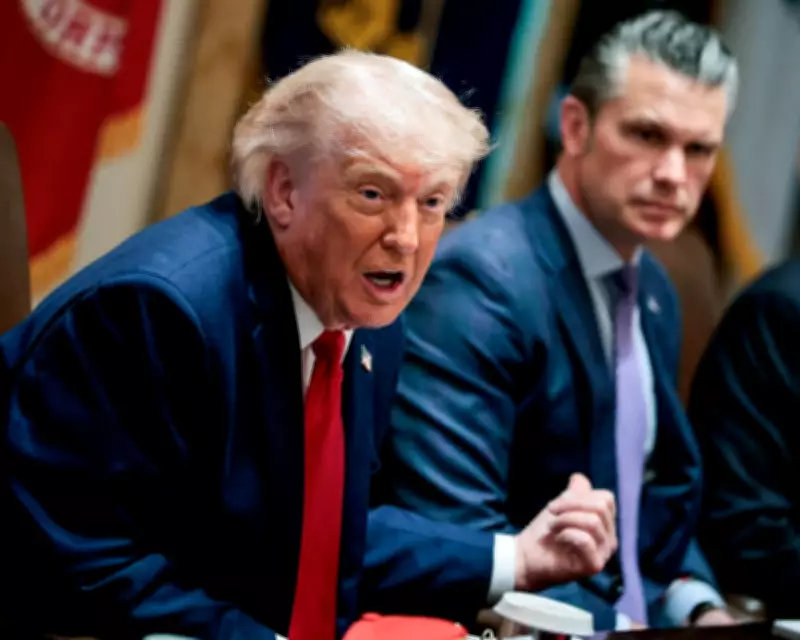
According to Jonathan Lemire of The Atlantic, Trump has exhibited troubling behaviours: late-night social media rants of 50 unhinged posts, apocalyptic threats, increased insults toward reporters, apparent dozing during meetings, deep bruises on his hands, excessive unstructured 'executive time', a reduced travel schedule, and increasingly bizarre speech tangents. Lemire noted that Trump 'seems to have completely abandoned any sort of filter', citing his celebration of former FBI director Robert Mueller's death and a meme widely interpreted as depicting himself as Jesus.
Trump, the oldest person ever elected US president, will turn 80 on 14 June. He recently made his fourth visit to Walter Reed hospital during his second term, raising eyebrows as most presidential care can be administered at the White House. While Trump claims 'everything checked out PERFECTLY', his history of falsehoods—over 30,000 false statements during his first term according to The Washington Post—undermines his credibility.

Demands for Transparency
Experts like Dr Jonathan Reiner, former vice-president Dick Cheney's cardiologist, have suggested Trump may suffer from conditions such as 'severe daytime somnolence', potentially linked to dementia. The public deserves answers about what tests were conducted, their results, and any underlying conditions. A Washington Post/ABC News/Ipsos poll found fewer than half of US adults believe Trump possesses the mental acuity or physical health to be an effective president.
Margaret Sullivan, a Guardian US columnist, argues that 'transparency about the president's health should be the rule, not the exception'. Mandatory reporting on both physical and mental health is necessary given the immense power of the presidency. Trusting any politician's self-declaration of perfect health is dubious, especially when history shows a pattern of concealment.
With Trump's unpredictable and potentially dangerous whims, the American public and the world require more than bombast. Full disclosure is essential to assess his competence to lead.