
The government acted unlawfully when it forced survivors of torture and trafficking to share rooms with strangers, the High Court has ruled, in a decision that threatens Shabana Mahmood's plans to house more asylum seekers in former army barracks.
In a judgment seen by the Guardian, Mr Justice Sweeting found that ministers had failed in their duties by removing the 'protective presumption' that such vulnerable people would not be placed in shared accommodation. He also said the government did not assess the impact of the changes despite 'longstanding, consistent evidence of the serious risks of harm' to survivors.
The legal challenge was brought by the charities Freedom From Torture (FFT) and the Helen Bamber Foundation. Natasha Tsangarides, FFT's associate director of advocacy, called the ruling a 'vital and resounding victory'. Kamena Dorling, a director at the Helen Bamber Foundation, added that 'terrible living conditions' had impeded survivors' recovery.
The policy in question was introduced in February 2024 by the previous government, and the current administration has continued it. FFT estimates that 10,000 torture survivors housed in shared accommodation could be affected by the ruling.
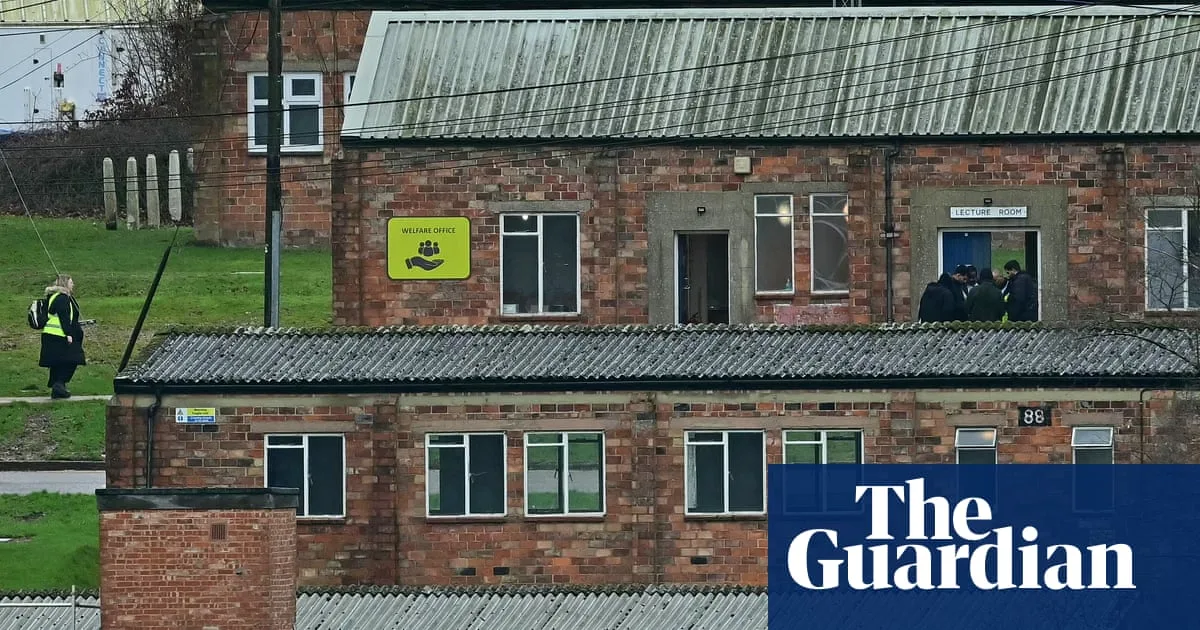
The Home Office must now decide whether to revert to the old policy or reintroduce the changes after consulting stakeholders and conducting a formal impact assessment. Meanwhile, about 350 asylum seekers have been moved into Crowborough barracks in East Sussex, while plans for Cameron barracks in Inverness have faced delays.
A Home Office spokesperson said the department would 'carefully consider' the judgment, adding that 'strict checks are in place to maintain high health and safety standards in asylum accommodation'.




