
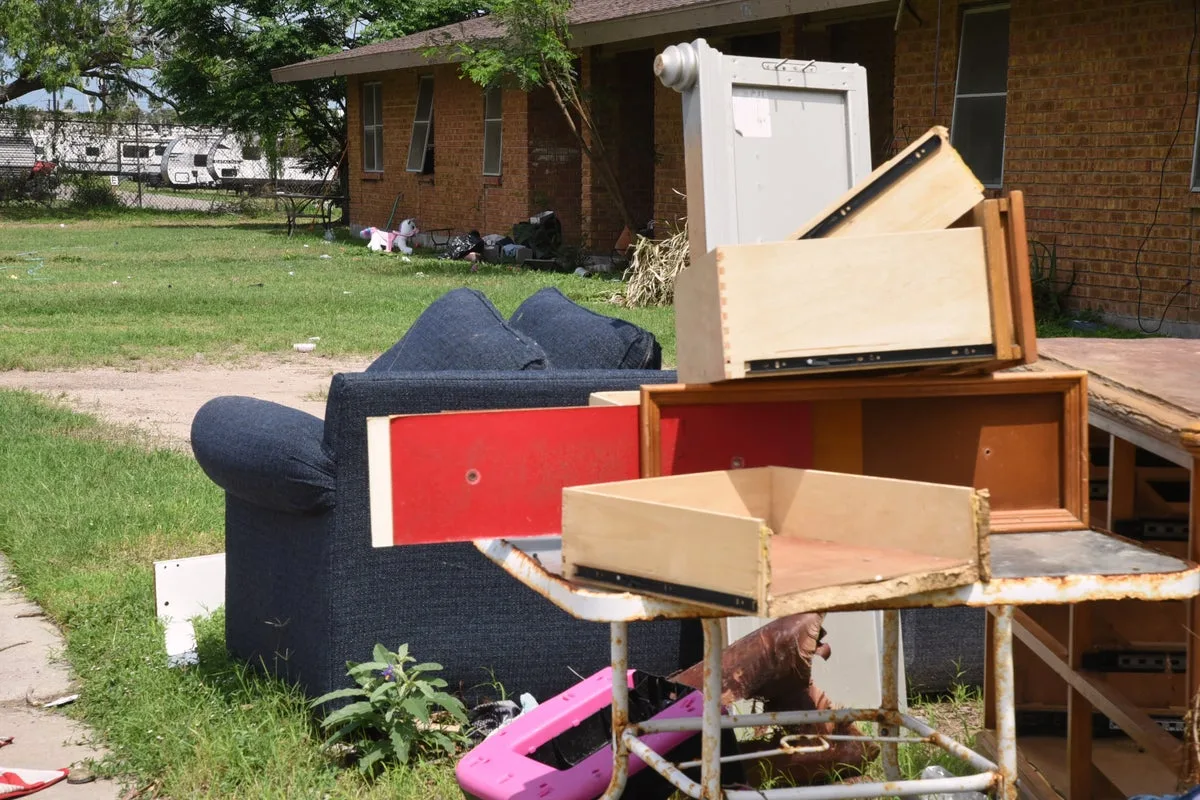
Until recently, young children played on sun-dappled lawns in the public housing of Port Isabel, Texas. Then, within weeks, the neighbourhood became a ghost town after a bungled message from the housing authority prompted a mass exodus.
The Port Isabel Housing Authority indicated that a Trump administration proposal to end housing assistance to families with at least one member in the country illegally was about to take effect. The events that followed offered a glimpse of what could happen across the US if the rule is finalised.
Half of residents left within a month of receiving a letter in February demanding proof of legal status within 30 days or face eviction. The housing authority later sent a clarification that no such proof was required, but the damage was done. Occupancy plunged from 91% in January to 43% in May.
Advocates estimate up to 80,000 people could be affected nationwide, including US citizens and legal residents. A single mother from Mexico raising two US-citizen teenagers told the Associated Press she left after nearly a decade, finding an apartment costing $500 more per month. Her daughter, a top student, now worries how the family will make ends meet.
Another mother of three moved her family into a one-bedroom trailer illegally parked between two others. A family of three sold furniture to squeeze into a small trailer, only to find the landlord would not let them use the mailing address, affecting school and health insurance.
“Since we got the letter, everything changed from one day to the next. It wasn’t the same anymore,” one mother said. The Trump administration proposed in February that any household with one ineligible resident would disqualify the entire family.




