

The European Union has urged Southeast Asian countries to avoid purchasing Russian oil as they grapple with severe fuel shortages resulting from the ongoing Middle East conflict. EU foreign policy chief Kaja Kallas, after meeting ASEAN foreign ministers in Brunei, called on the region to consider the broader implications, warning that buying Russian oil would enable Moscow to continue its war in Ukraine.
Growing Reliance on Russia
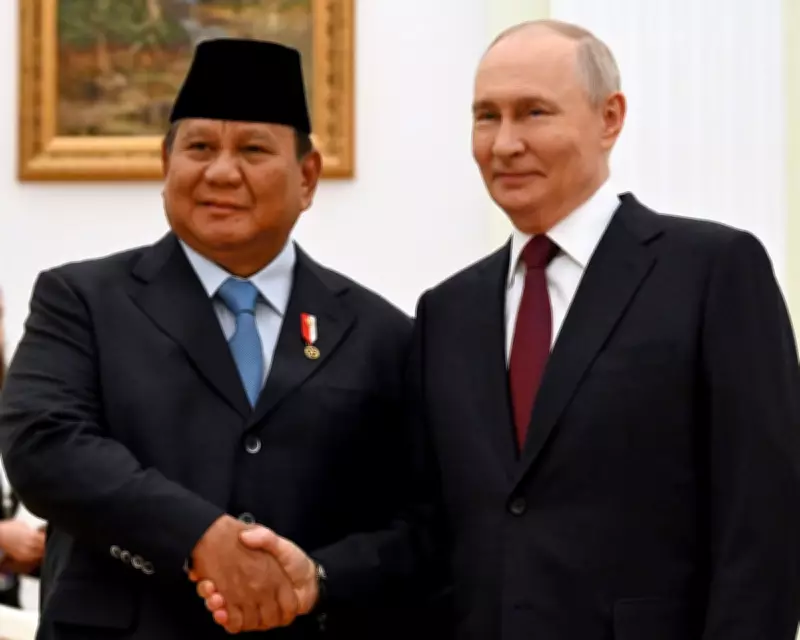
Despite these warnings, many nations in the region are forging ahead with deals with Russia. Indonesia announced plans to import up to 150 million barrels of Russian crude following President Prabowo Subianto's meeting with Vladimir Putin in Moscow. The Philippines, a traditional US ally, received its first shipment of Russian crude oil in five years in March. Thailand is reportedly negotiating to buy fertiliser from Russia, while Vietnam has revived a pre-war agreement with Russia to build a nuclear power plant, now seen as increasingly urgent.
Russia's Windfall and Regional Perceptions
The crisis has proven financially beneficial for Russia. Soaring energy prices and a temporary US waiver allowing the purchase of sanctioned Russian oil at sea have generated billions in profits. This has bolstered Moscow's claim that Western attempts to isolate it have failed. Public opinion in the region tends to favour Russia and its leader. A 2024 Economist poll found that over 50% of respondents in Indonesia and Vietnam wanted Russia to win the Ukraine war. A 2025 Pew Research Center survey showed 64% of Indonesians held a favourable view of Russia, compared to 48% for the US.

According to Ian Storey of Singapore's ISEAS-Yusof Ishak Institute, Putin is perceived as a strong leader standing up to the West and defending traditional values, an image that resonates in many regional countries. Russia's historical ties with communist-ruled nations like Vietnam and Laos, and its support for Palestine, also contribute to its positive image.
Limits of Russian Influence
Analysts note that Russia lacks the economic and military clout of the US and China, limiting its ability to expand influence. Its growing dependence on China may deter countries with maritime disputes with Beijing from deepening military ties with Moscow. The US decision to pause sanctions on Russian oil shipments, extended in April after pressure from Asian countries, could affect future purchases if not renewed.
Nuclear Energy and Strategic Partnerships
Nuclear energy presents a potential avenue for Russian influence. Russia has signed contracts with Myanmar and Vietnam for nuclear power, but faces competition from other global players. The Middle East war has allowed Russia to position itself as a reliable partner for food and energy security in Southeast Asia.
Recent energy deals carry symbolic weight. For Indonesia, they underscore a policy of non-alignment and signal independence from Western demands. For Russia, they provide a platform in international forums like the UN, G20, and BRICS, where Indonesia has supported the narrative that the Ukraine war is a Western problem. A joint Russia-ASEAN summit in Kazan in June will mark 35 years of relations, offering a photo opportunity for Putin to demonstrate that Russia still has international allies.






