
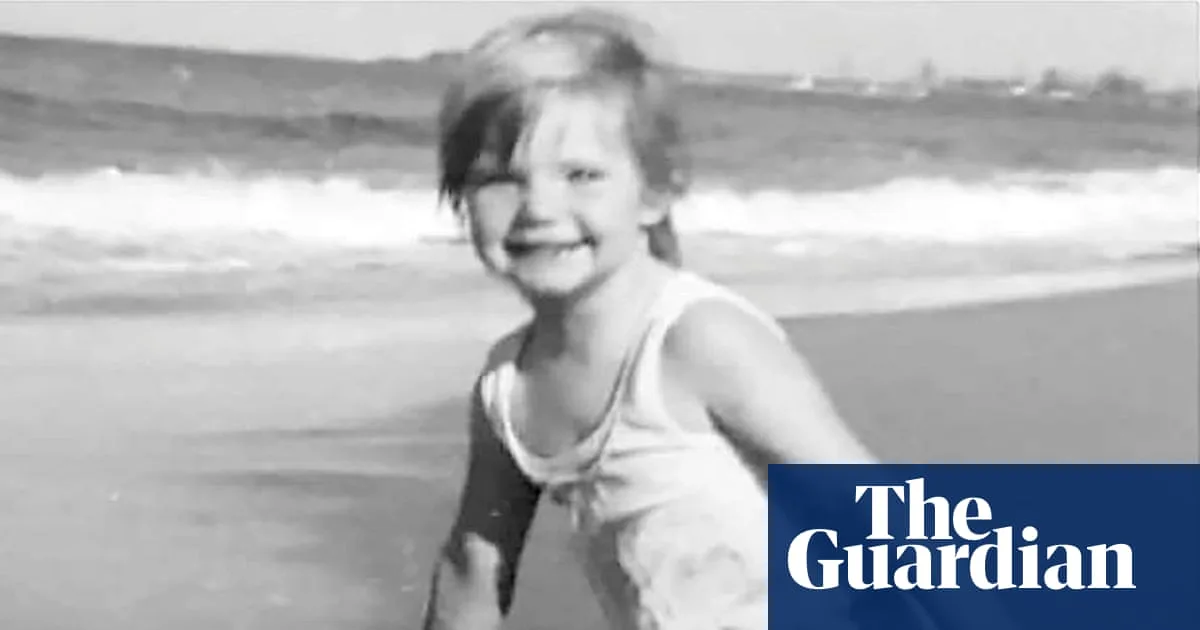
A New South Wales MP has used parliamentary privilege to name a man police previously alleged murdered three-year-old Cheryl Grimmer, who vanished from a beach near Wollongong in 1970. The man, known by the pseudonym 'Mercury' during court proceedings, was the prime suspect in the case but never convicted after his confession was ruled inadmissible.
Cheryl disappeared from outside a shower block at Fairy Meadow beach while with her mother and three older brothers on 12 January 1970. Mercury faced trial in 2018 but the case collapsed when a judge ruled that a 1971 police interview, in which he allegedly confessed to the murder, could not be used as evidence because he was 17 at the time and still a child under NSW law.
On Thursday, Jeremy Buckingham, a member of the Legalise Cannabis party, revealed the man's identity in the Legislative Council. Buckingham also read out the alleged confession, pausing to choke back tears. The move came after the Grimmer family gave Mercury an ultimatum: meet with them by midnight on Wednesday or the MP would make his name public.
“He has been given the opportunity to declare his innocence or guilt, yet he has chosen to remain silent,” a family member said in a statement read outside parliament. “We are not seeking to harm Mercury or his family. What we want now is the truth. We hope that by speaking out today, members of the public who may hold information will come forward so that Mercury can be questioned in a court of law and justice for Cheryl can finally be served.”
The president of the Legislative Council, Ben Franklin, warned Buckingham before he spoke that while privilege protects MPs from legal consequences, they have an obligation to use it responsibly. The NSW attorney general, Michael Daley, said it was a “heart-wrenching case” but declined to comment further, noting it would not be appropriate to comment on an individual who has not been charged or convicted.




