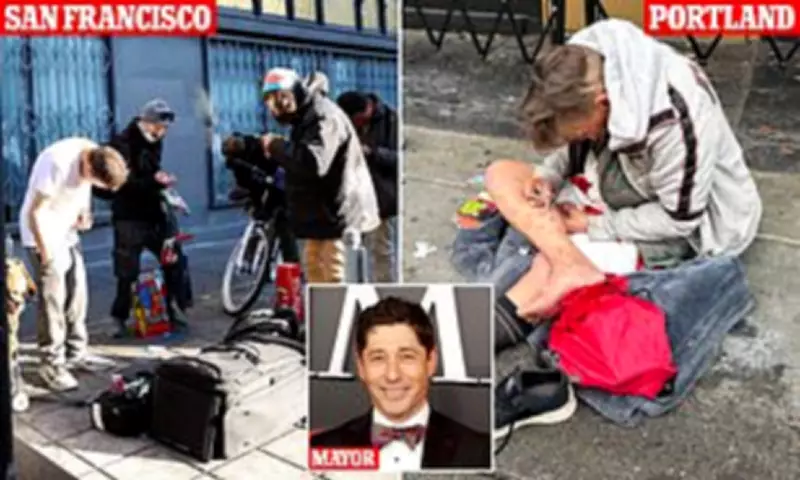
The Minneapolis City Council has voted to legalize drug paraphernalia, a move that critics say has already ravaged cities like Portland and San Francisco. The ordinance, passed by a narrow 7-6 vote on Thursday, decriminalizes the possession of items such as needles and glass pipes, though it still prohibits providing these items to minors.
Local Context
Minnesota state law already legalized paraphernalia two years ago. Minneapolis Councilmember Jason Chavez argued that the new rule aligns the city with state law. Councilwoman Aisha Chughtai expressed frustration, stating, "It alarms me that we can’t do that here in the city of Minneapolis," as reported by The Minnesota Star Tribune.
Mayor's Opposition
Mayor Jacob Frey is expected to veto the proposal. He has long supported alternative approaches to addiction, such as mobile medical units and housing where drug use would be permitted. However, he emphasized, "Compassion means meeting people where they’re at, but it doesn’t mean anything goes," and stressed that he would not allow Minneapolis to become an open-air drug market that makes citizens feel unsafe and worsens transit conditions.

Parallels with West Coast Cities
Similar laws in Portland and San Francisco have been linked to increased homelessness and open drug use, driving long-term residents away from downtown areas. In February, a tragic incident in San Francisco involved a two-year-old girl, Stevie Price, who died after ingesting fentanyl left within reach in a squalid apartment. Her mother, Michelle Price, and boyfriend Steve Ramirez face child endangerment charges.
San Francisco Mayor Daniel Lurie has vowed to crack down on homelessness and crime, but the city continues to struggle. Despite a reported 40% decrease in crime in Union Square and the Financial District during his first year, overdose deaths reached nearly 600 in 2025, according to the Medical Examiner's Office.
Failed Interventions
San Francisco launched the Tenderloin Linkage Center in 2021 as an innovative approach to the drug epidemic, but only one in 1,000 addicts sought treatment there. The center, which cost $19 million in taxpayer money, saw its lease not renewed after just one year.
In 2023, Portland began distributing aluminum foil and straws to fentanyl smokers in a harm reduction effort. However, the drug problem and homelessness crisis persisted, with people openly using drugs on sidewalks. A Daily Mail investigation in October observed a woman repeatedly hitting herself under the influence in downtown Portland, and a man inhaling a substance from aluminum foil. Citizen journalist Kevin Dahlgren noted that crime is rampant and police often do not intervene.
Outlook
The Minneapolis ordinance now awaits Mayor Frey's expected veto. The council may need a supermajority to override, though the initial 7-6 vote suggests that may be challenging. The debate highlights deep divisions over how to address addiction and public safety.