
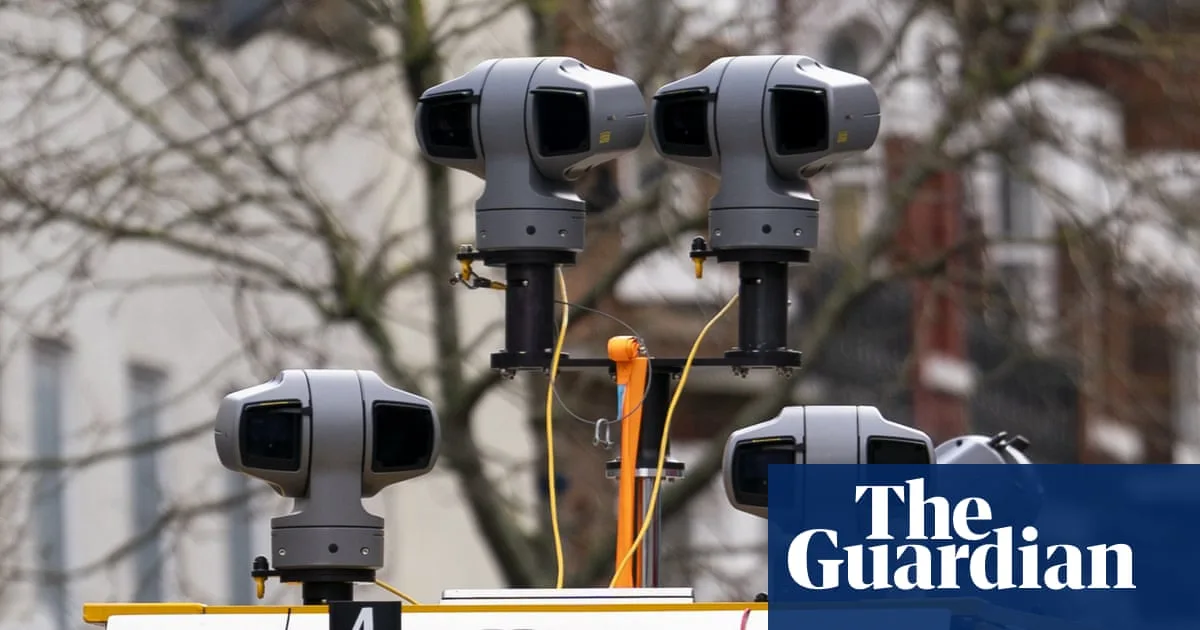
The Metropolitan police commissioner, Mark Rowley, has defended the use of live facial recognition (LFR) cameras at this weekend’s Notting Hill carnival, rejecting demands from anti-racist and civil liberty groups to scrap the technology over concerns of racial bias. In a letter, Rowley stated that the system would be used 'in a non-discriminatory way' and that its algorithm 'does not perform in a way which exhibits bias'.
Eleven organisations, including the Runnymede Trust, Liberty and Big Brother Watch, had urged the Met to abandon the technology at the event, which celebrates the African-Caribbean community. They claimed that a lack of legal framework allowed police to 'self-regulate', deploying the algorithm at settings biased against ethnic minorities and women.
Rowley acknowledged that previous use of LFR at the carnival in 2016 and 2017 did not build confidence, after the system incorrectly identified 102 people as potential suspects and led to no arrests. However, he said the current version of the algorithm is 'significantly improved' and had undergone independent testing. He stressed that the technology would target the 'small minority' committing serious crimes, such as violence and sexual offences, noting that 349 arrests were made at the 2024 carnival, including for homicide and rape.
Civil liberty groups have also highlighted a high court challenge launched last month by anti-knife campaigner Shaun Thompson, a Black British man wrongly identified by LFR as a criminal. Rowley did not address the challenge in his letter but dismissed claims of operating without legal framework, citing the Equality Act 2010, the European Convention on Human Rights and data protection laws.
Responding to Rowley, Rebecca Vincent of Big Brother Watch said: 'With no legislation governing live facial recognition, no governmental framework, and a crucial judicial review pending, why the rush to accelerate use of this Orwellian technology? We’re meant to operate on the basis of policing by consent, yet no one has consented to this.'




