
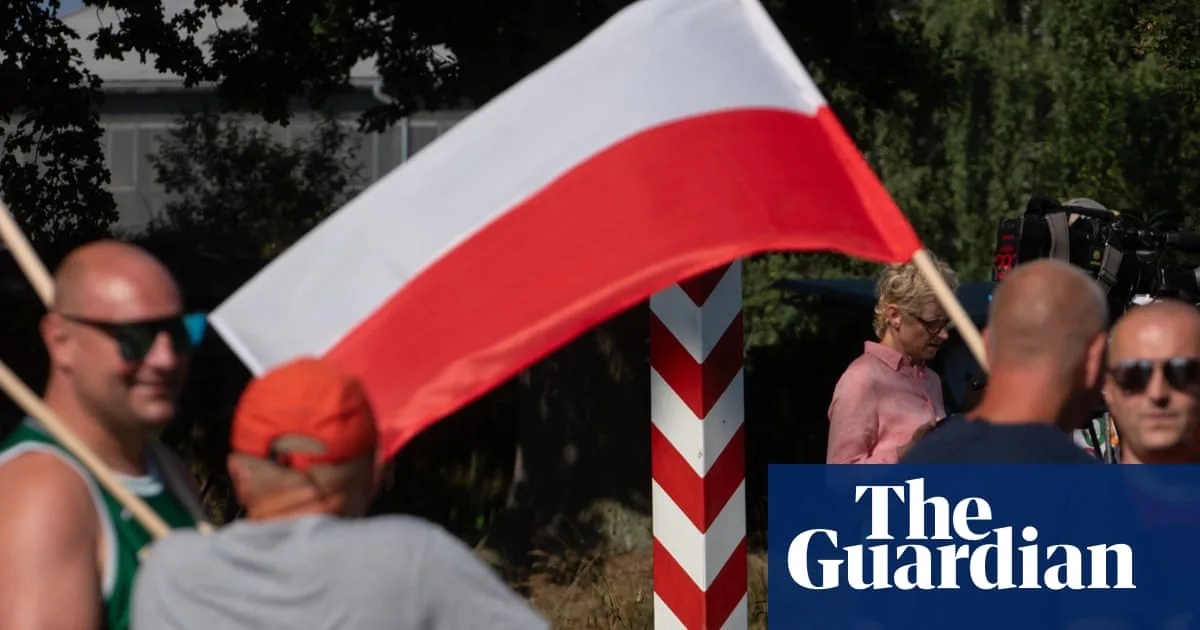
A wave of anti-migrant vigilante groups has emerged across Europe in recent months, with self-styled 'citizen patrols' appearing in Iceland, Poland, the Netherlands, Spain and Northern Ireland. Sporting black shirts or high-visibility vests, members have marched through city centres, gathered at borders to turn back asylum seekers, and demanded identification documents from migrants and people of colour.
Experts warn that these actions are largely symbolic and often exacerbate security concerns. 'Most of this is symbolic. They don't stop migration. They don't create more safety in the streets,' said Tore Bjørgo, a professor at the University of Oslo. 'It's a show for media and often for political purposes because, quite often, the extreme-right and far-right organisations use this as a way to get publicity and recruit new members.'
In Spain, dozens of baton-wielding individuals took to the streets in the south-eastern province of Murcia to 'hunt' people of foreign origin, sparking days of turbulence. In Poland, self-declared citizen patrols gathered along the border with Germany, insisting their presence was needed to prevent asylum seekers from moving between the two countries. A similar movement in the Netherlands saw people flagging down vehicles near the border, asking for identification.
Rights campaigners have linked the vigilante activity to misinformation and radicalising political narratives. In Spain, racist messaging on social media rocketed by 1,500 per cent before the unrest, according to the central government. The Helsinki Foundation for Human Rights in Warsaw said the Polish actions were connected to 'a radicalising political narrative that portrays migration as a threat, fuelling social fears and distrust of state institutions'.
Bjørgo noted that while vigilantes rarely use physical violence, their militant style displays a capacity for violence that frightens minorities. He added that many participants have criminal histories, including domestic violence, drug dealing and burglary. 'This is a way to improve their standing in the community. It's a show of masculinity and protecting women,' he said.
In Iceland, the chair of the national police union, Fjölnir Seæmundsson, said vigilantes had made threats against critics, including telling women they needed to be 'silenced for good'. 'There are numerous examples that suggest this only ends badly,' he warned. Dr Matthijs Gardenier, a sociologist, said the groups' outsized role on social media allows them to reframe how migration is perceived.




