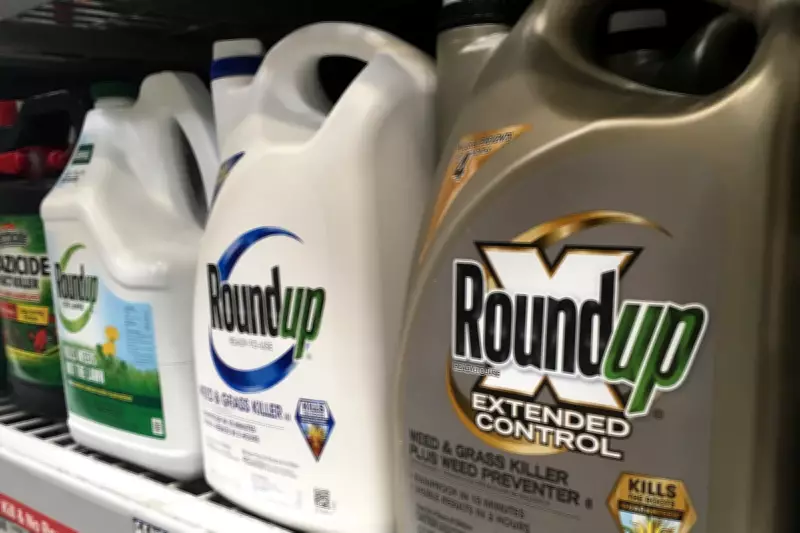
A proposed $7.25 billion settlement covering thousands of claims that the maker of Roundup weedkiller failed to warn about cancer risks could face significant delays, following a legal manoeuvre by an attorney opposing the deal.
Legal Challenge Filed
An attorney opposed to the settlement filed paperwork on Friday to move the case to federal court, rather than keeping it in Missouri state court where claimants face a June 4 deadline to opt out. The dispute over jurisdiction could disrupt the settlement's timeline and delay a decision on its approval.
Supreme Court Context
The legal wrangling unfolds as the U.S. Supreme Court weighs a case that could block thousands of state-level lawsuits against Bayer, which acquired Roundup through its purchase of Missouri-based Monsanto in 2018. Bayer argues that state claims over failure to warn of cancer risks should be barred because the company followed federal labeling standards that do not require a warning. The Germany-based company also disputes that glyphosate, Roundup's key ingredient, can cause non-Hodgkin lymphoma.

The Environmental Protection Agency has determined glyphosate is not likely carcinogenic to humans when used as directed. However, plaintiffs cite a 2015 World Health Organization classification of the chemical as 'probably carcinogenic'.
The Durnell Case
The Supreme Court case was filed by John Durnell, who developed non-Hodgkin lymphoma after more than 20 years of spraying Roundup on a community garden in St. Louis. Durnell is not covered by the proposed class-action settlement. His attorney, Ashley Keller, filed objections on behalf of other clients and then moved to shift the settlement case to federal court. 'This is a huge settlement that is extinguishing the rights of tens of thousands of cancer victims,' Keller said. 'It was rushed into state court.'
Opposing Views
The move to federal court is expected to face strong opposition. Attorney Christopher Seeger, proposed as a claimants' representative in the settlement, called the court shift 'a baseless delay tactic that should be promptly denied.' Bayer also dismissed the move, stating it 'has no merit' and vowing to keep proceedings in state court.
Settlement Details
The proposed nationwide settlement was filed in February in St. Louis Circuit Court. It aims to address most pending Roundup lawsuits and future claims from people exposed to the weedkiller. However, Bayer retains the right to cancel the deal if too many claimants opt out. A hearing is scheduled for July 9 in state court, while the Supreme Court is expected to rule on Durnell's case by the end of June.
The settlement calls for Bayer to make annual payments into a special fund for up to 21 years, totalling as much as $7.25 billion. Payouts would vary based on exposure type, age at diagnosis, and severity of non-Hodgkin lymphoma. For example, an agricultural worker diagnosed with an aggressive form of the illness before age 60 would receive an average of $165,000, while those diagnosed at age 78 or older would get an average of $10,000.