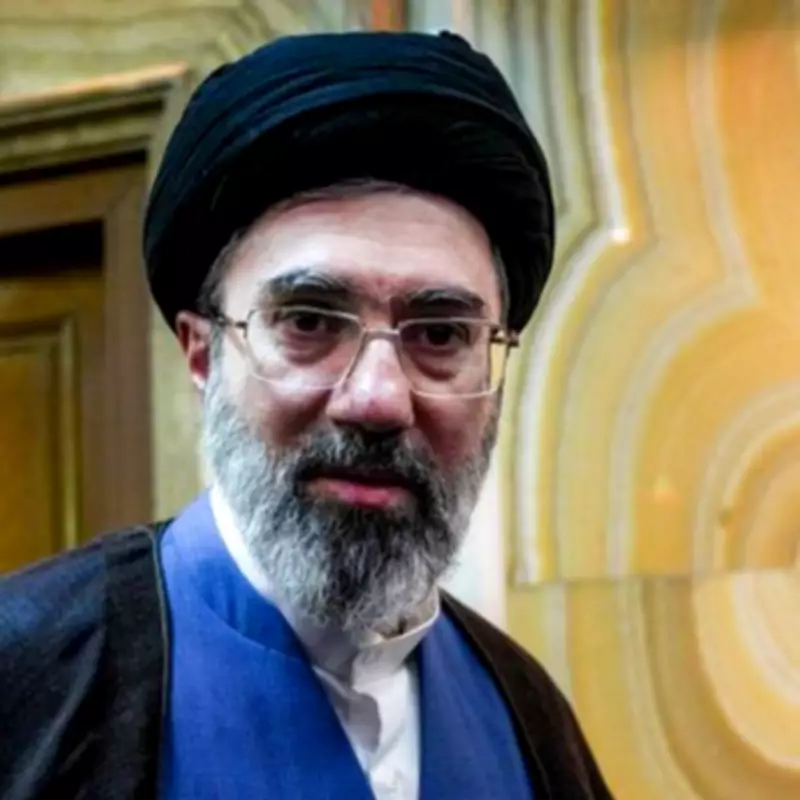
Iran's Supreme Leader, Ayatollah Mojtaba Khamenei, has issued a directive that near-weapons-grade uranium should not be sent abroad, directly challenging a key demand from former US President Donald Trump. This stance is expected to further frustrate Trump and complicate ongoing negotiations to end the Middle East conflict.
Directive Hardens Tehran's Position
According to two senior Iranian sources cited by Reuters, the Supreme Leader's directive solidifies Iran's position on one of the main US demands in peace talks. The order explicitly states that the country's stockpile of highly enriched uranium—which is close to weapons-grade—must remain within Iran's borders.
Israeli officials have indicated that Trump assured Israel that Iran's enriched uranium stockpile, necessary for producing an atomic weapon, would be shipped out of the country as part of any final peace agreement. The inclusion of such a clause has been a non-negotiable condition for the US.

Implications for Peace Negotiations
The directive comes at a critical juncture in diplomatic efforts to resolve the prolonged conflict in the Middle East. Khamenei's move is likely to be perceived as a direct affront to Trump, who has made the removal of Iran's enriched uranium a cornerstone of his peace proposal.
Analysts suggest that this development could lead to heightened tensions between Washington and Tehran, potentially derailing the fragile peace process. The US has not yet officially responded to the directive, but sources close to the administration indicate that Trump is deeply frustrated by what he sees as Iranian intransigence.
Background of the Uranium Dispute
Iran's enrichment program has long been a source of international concern. Near-weapons-grade uranium, enriched to 60% purity or higher, can be further enriched to 90% in a relatively short time, enabling the production of nuclear weapons. The US and its allies have repeatedly called for Iran to cease such activities and to export its existing stockpile to a third country.
Iran, however, maintains that its nuclear program is for peaceful purposes only and has resisted external demands to relinquish control over its enriched materials. The Supreme Leader's latest directive reinforces this stance, signaling that Tehran will not bow to pressure from Washington.
As the situation unfolds, the international community watches closely. The coming days will be crucial in determining whether the peace deal can survive this latest obstacle or if the region is headed for further instability.