
Tehran has closed the Strait of Hormuz again, escalating tensions with the United States and worsening a humanitarian crisis that has left millions struggling to meet basic food needs. The World Food Programme reports it is feeding 1.5 million fewer people this year due to the conflict, with an additional 2.5 million in Somalia and 2.3 million in Afghanistan facing food insecurity.
The disruption of fertiliser exports through the strait has driven up prices, prompting farmers to reduce usage. Remittances from migrant workers in the Gulf have also dried up, affecting economies across Asia and Africa. In Iran and Lebanon, thousands of civilians, including many children, have been killed, and infrastructure destroyed, as the economic situation deteriorates and the regime intensifies repression.
US President Donald Trump had agreed to a 60-day memorandum of understanding (MOU) to negotiate a broader deal, but strikes resumed after Iran attacked ships transiting the strait and the US retaliated. The MOU's ambiguity over fees and administration of the strait has led to conflicting interpretations, with Iran asserting control and targeting vessels using a US-coordinated route.
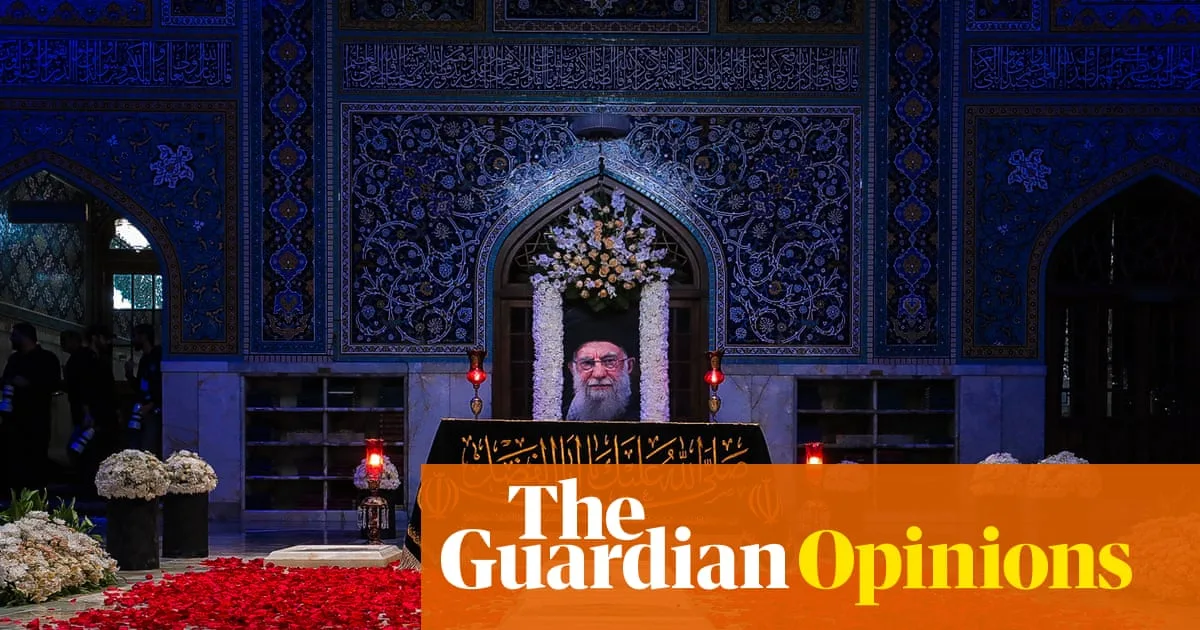
Rhetoric from both sides remains heated. Iran has vowed revenge for the killing of its former supreme leader, Ali Khamenei, while Trump has threatened military action. Despite declaring the ceasefire over, Trump maintains that talks will continue, but the cycle of escalation has undermined confidence in any potential agreement.
The immediate priority is to facilitate humanitarian shipments through the strait. Oman and other mediators are proposing a non-compulsory fee system under UN auspices, though a hardline Iranian regime may prioritise leverage over profit. Neither side appears willing to make the concessions necessary for peace, leaving the international community to urge de-escalation or face continued global instability.




