Drivers are facing a staggering £2 billion hit at the pumps as a result of the conflict in Iran, analysis reveals. The additional cost, which motorists have endured since the war sent forecourt prices soaring, is set to surpass this milestone by Tuesday evening.
No Immediate Relief in Sight
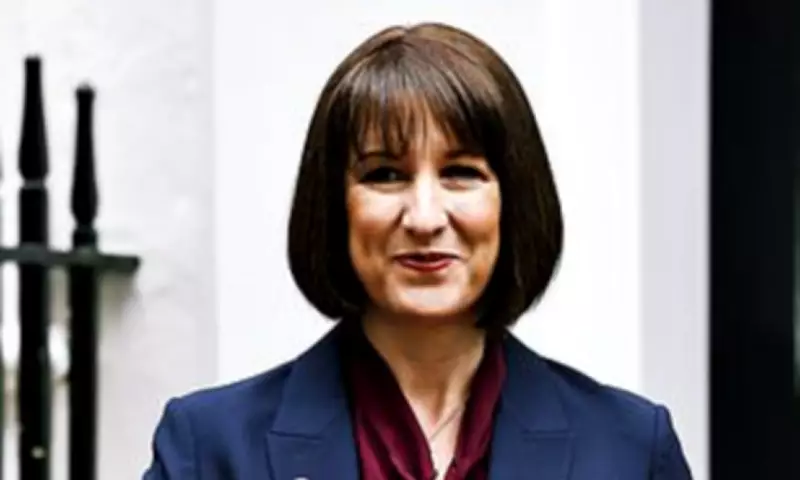
There is little hope of respite, with pump prices expected to remain elevated for months. This has handed Chancellor Rachel Reeves an unexpected VAT windfall of over £300 million in just two months since the conflict began, intensifying calls for her to scrap planned fuel tax increases to support struggling households.
Global oil prices have climbed above $110 for the first time in three weeks, with Brent crude reaching $112.70 per barrel as the Strait of Hormuz remains closed. This has squeezed supplies and sent pump prices skyrocketing.

Forecourt prices could rise again in the coming weeks, despite average petrol and diesel prices briefly falling by 1p and 2.5p per litre respectively in recent days.
Impact on Household Budgets
Filling the average 55-litre family car with petrol now costs over £13 more than on 28 February, when the conflict began, while diesel is £26 more expensive. The RAC Foundation study, which examined daily consumption data and price fluctuations from 28 February to yesterday, found that higher pump prices will have collectively cost drivers £2 billion by Tuesday evening, up from £1.92 billion on Monday.
Diesel drivers have been hardest hit, accounting for nearly £1.5 billion of the total. In turn, Ms Reeves has gained an extra £330 million in VAT receipts, as the 20% levy takes a larger share of higher prices.
Critics argue she should use this revenue to delay the planned fuel duty hike, set to take effect on 1 September, which would add another £3 to the cost of an average fill-up. The policy reverses a 5p per litre cut introduced by the Conservatives in 2022 to help drivers amid soaring pump prices following Russia’s invasion of Ukraine.
Ms Reeves and Sir Keir Starmer have committed to the increase, despite most other countries cutting fuel taxes to assist drivers.
AA President Edmund King said: ‘UK drivers have been hit three times in the past six years by pump-price shocks: first with post-Covid disruption, then the Ukraine war and now the conflict in the Middle East. The impact on personal and family budgets, together with potential consumer spending being siphoned into fuel, has been devastating. At the very least, the 5p cut in fuel duty needs to stay in place until motoring consumers have had a chance to get their finances back on track. Scrapping it for winter when running a car is at its most expensive is not a smart move.’
Steve Gooding, director of the RAC Foundation, added: ‘Drivers have been paying a big price at the pumps for the war in the Persian Gulf. Worryingly, it seems there is no immediate end in sight and with the cost of Brent crude oil still well over $100 per barrel no near-term prospect of a sizeable drop in the litre-price of forecourt fuel. The question for the Chancellor must be not just whether it is tenable to stick with her planned hike in fuel duty in four months’ time but whether a more dramatic change of plan is warranted to ease the pain.’
Average diesel forecourt prices stood at 189p per litre today, while petrol was 157.13p, slightly down from peaks of 191.54p and 158.31p on 15 April respectively. On 28 February, they were 142.38p and 132.83p.
A Treasury spokesman said: ‘Motorists are paying more at the pumps because of the war in Iran. This is not our war and that is why we did not join it. We are determined to keep costs down for motorists. That’s why we have extended the 5p fuel duty cut and urge for de-escalation.’