

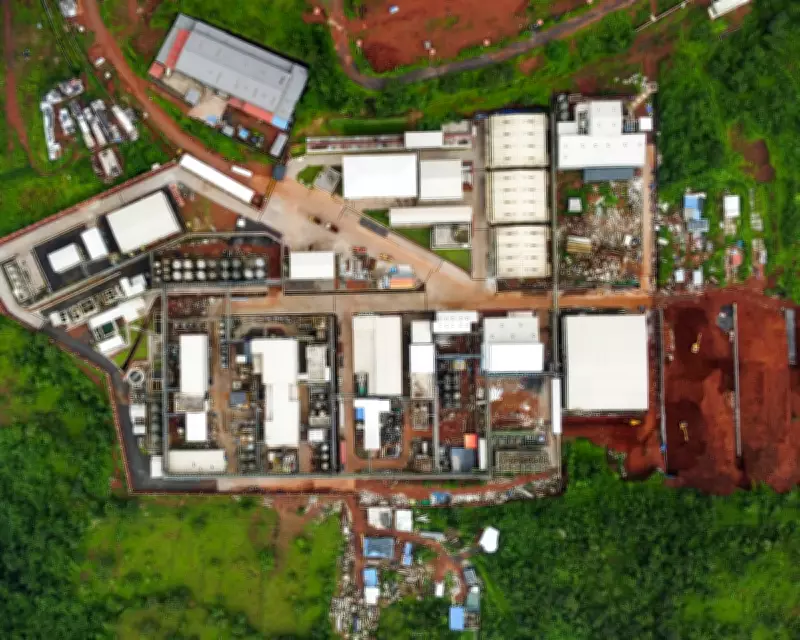
Protests over the production of cancer-linked PFAS chemicals have spread across India, following an investigation revealing that an Italian factory shut down due to an environmental scandal was purchased by an Indian company and partially rebuilt. The former Miteni plant in Vicenza, Italy, was acquired by Laxmi Organic Industries and relocated to Lote Parshuram, south of Mumbai.
Background of the Scandal
The Miteni plant was linked to one of Italy's worst environmental contamination scandals, contaminating one of Europe's largest aquifers and affecting over 350,000 people across Vicenza, Verona, and Padua through drinking water. Former employees, including one with the highest PFAS levels ever recorded in human blood, were severely impacted. High blood levels of PFAS are associated with increased risks of cancer, cardiovascular diseases, liver and kidney damage, and reproductive disorders.
Relocation to India
After the plant's closure in 2018, its equipment was dismantled, shipped, and reassembled in Lote Parshuram. Laxmi Organic Industries now produces PFAS—often called 'forever chemicals' due to their environmental persistence—for use in pesticides, pharmaceuticals, dyes, cosmetics, and other products. The company has denied allegations of pollution.

Political and Public Response
Following the Guardian's investigation, protests erupted in India. On 8 January, the first protest occurred outside the Lote plant, broadcast live by multiple television channels. By 2 February, the issue reached India's parliament, where MP Pramod Tiwari called for a federal investigation into the authorisation process, highlighting India's lack of specific PFAS regulations. Environment Minister Kirti Vardhan Singh confirmed in a written statement that no specific environmental regulation bans PFAS manufacturing in India.
Documents revealed that plans for the Indian facility were ready by March 2018, months before the Italian plant shut down, raising questions about how long the relocation had been planned. In early March, a video call united Indian activists, European representatives, scientists, and MEPs to discuss a proposed European ban on PFAS. On 5 March, activists gathered outside the European Commission in Brussels, bringing the story back into the Indian spotlight.
Continued Protests and Calls for Regulation
By April, thousands again protested in Lote against PFAS production, demanding regulations. The demonstrations involved environmental activists, local residents, and political representatives, with the national debate expected to grow. Varrun Sukhraj, founder of activist group The Next Indians, stated: 'For years we were told this was the price of development. But no community should be forced to choose between jobs and health. What has been rejected in Europe cannot simply be moved elsewhere and repackaged as progress.'
Laxmi held a press conference on 3 April, denying pollution allegations and claiming full compliance with Indian regulations. The company did not respond to multiple requests for comment. This investigation was supported by Journalismfund Europe and IJ4EU.






