

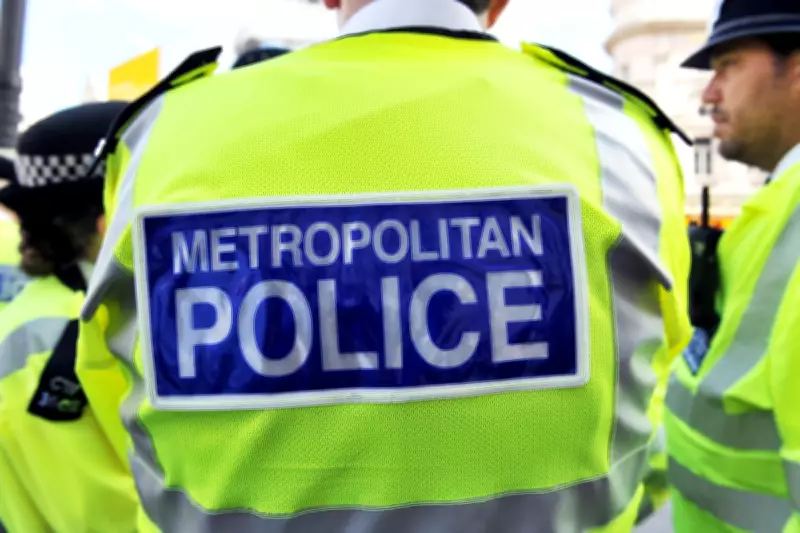
Reports of image-based sexual abuse and explicit deepfakes to the Metropolitan Police have surged by 120 per cent over the past five years, according to new data. The sharp increase is largely attributed to the proliferation of AI-powered 'nudification' tools, which enable the creation and distribution of realistic, sexually explicit images without consent.
Rise of AI-Driven Abuse
The Metropolitan Police recorded a doubling of complaints related to non-consensual intimate image abuse, with experts pointing to the rapid advancement of artificial intelligence as a key driver. Tools like Grok have made it easier than ever to generate convincing deepfakes, exacerbating the problem. Victims often face significant emotional distress and reputational harm as these images spread online.
New Legislation to Tackle the Issue
Under the forthcoming Crime and Policing Bill, social media platforms will be legally required to remove reported non-consensual images within 48 hours. Failure to comply could result in substantial fines or the blocking of services in the UK. The legislation also bans nudification tools specifically designed for creating AI deepfakes, extends the reporting period for victims to three years, and introduces prison sentences for offenders and developers of such tools.

Call for Comprehensive Action
Experts and the Metropolitan Police are urging social media companies to adopt a more holistic approach that integrates prevention, consent education, and detection mechanisms. They argue that reactive measures alone are insufficient to curb the escalating abuse. The new laws represent a significant step, but ongoing collaboration between tech firms, law enforcement, and advocacy groups is essential to protect potential victims.
The rise in image-based sexual abuse highlights the urgent need for robust safeguards in the digital age. As AI technology continues to evolve, so too must the strategies to combat its misuse.






