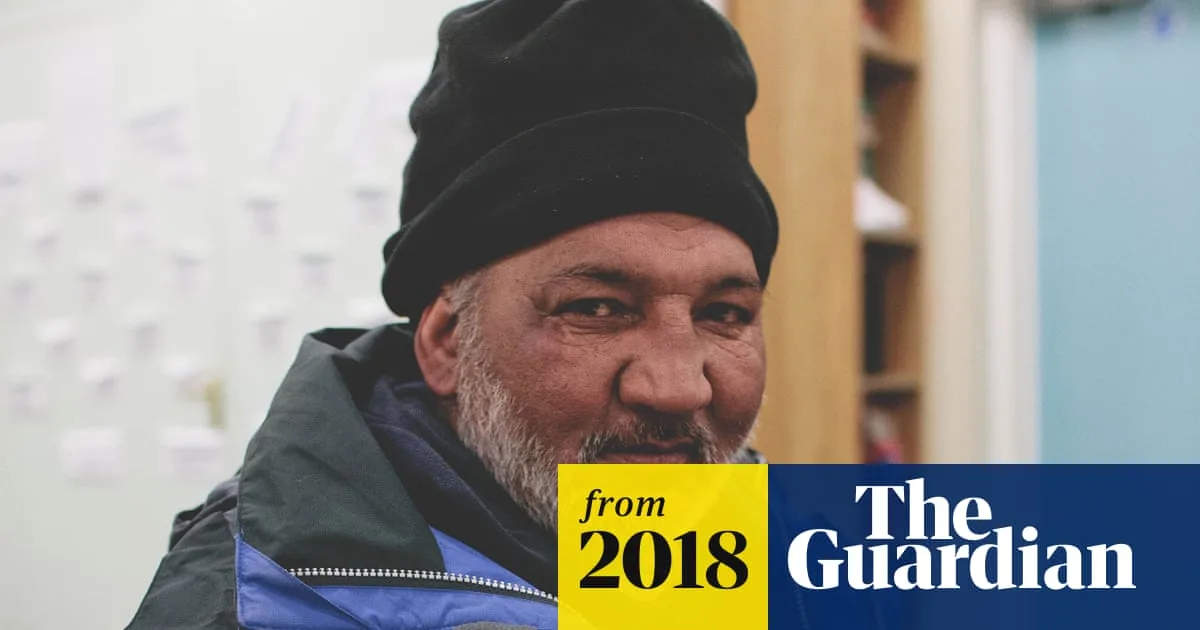
Bikram Lama's Death in Hyde Park Sparks Calls for Immigration Reform
Homeless Death in Hyde Park Sparks Immigration Reform Calls

Bikram Lama died while sleeping rough in Hyde Park, Sydney, in December last year. His body was discovered a week later in bushes near the entrance to the St James station tunnel, a busy thoroughfare on the edge of the city's central business district. The Guardian Australia's investigation into his life and death has sparked a national reckoning, with politicians, homelessness workers, advocates, and the public calling for change.

Background of Bikram Lama

Lama came to Australia to study, according to his family, but was deemed a non-resident by Australian authorities. Support workers say this designation effectively trapped him in homelessness, leaving him without access to housing, healthcare, income support, or crisis services.

Response from Councils and Officials

An alliance of 48 councils across Australia, called Back Your Neighbour and chaired by Sophie Tan, the mayor of Greater Dandenong in Victoria, issued a damning statement on Friday. The statement described Lama's death as evidence of “the human cost of policy-driven exclusion.” It called on the federal government to expand access to healthcare, income support, and essential services for people in need.

Wide Pickt banner — collaborative shopping lists app for Telegram, phone mockup with grocery list

On Tuesday night, the City of Sydney council is expected to observe a minute's silence in memory of Lama. Councillor Adam Worling, who will move the motion, expressed disbelief that such a death could occur. “I just keep thinking about his mother, and I just keep thinking about my mother. And I just think, no mother should have to go through that,” he said. “This just should not happen. State and federal governments, it just comes down to – is our taxpaying money being distributed correctly if we allow this to happen? The answer is no.”

Public Outpouring and Calls for Change

The story of Lama's death has prompted widespread public discussion of homelessness and an outpouring of compassion. Erin Longbottom, the nursing unit manager of St Vincent's homeless health service, which had been trying to help Lama, described the response as “absolutely amazing.” She urged the public to channel this energy into political pressure: “Write to your MP, ask for change, ask for policy to be different for this cohort of people.”

Kate Colvin, chief executive of Homelessness Australia, called on the government to extend work rights and a basic safety net to those left without support. “There needs to be an extension of payments like the special benefit to provide a safety net for people left without other support, so they can still have accommodation and food, and not end up sleeping rough like Bikram,” she said. She also highlighted the need for targeted funding for homelessness services to better meet the needs of this group.

Dr Cassandra Goldie, chief executive of the Australian Council of Social Service, said Lama's situation was the product of “decades of policies preventing the provision of basic social supports and rights to people in his circumstances.” She added, “His experience and fate is deeply systemic. It is also another consequence of Australia not having basic human rights protections in place, and terribly sad.”

Pickt after-article banner — collaborative shopping lists app with family illustration