The leader of Lebanon's Hezbollah group has called on the government to withdraw from direct talks with Israel, labeling them a concession and urging indirect negotiations instead.
Hezbollah's Position on Talks
Naim Kassem, in a letter addressed to the group's officials, stated that direct negotiations benefit Israel and represent concessions by Lebanese authorities. He advocated for indirect negotiations through a third party, as was done during the ceasefire agreement in November 2024.
Kassem also emphasized that the issue of Hezbollah's weapons is an internal Lebanese matter and should not be part of discussions with Israel. The Lebanese government has called for the disarmament of the militant group following the outbreak of fighting in early March, deeming all military activities by the group illegal.

Lebanon's Demands and Hezbollah's Cooperation
Lebanese authorities have demanded a cessation of hostilities, Israeli withdrawal from Lebanon, deployment of Lebanese troops south of the Litani River, release of Lebanese prisoners in Israel, and the return of displaced persons. Kassem expressed readiness to cooperate on these five points.
Continued Attacks Despite Ceasefire
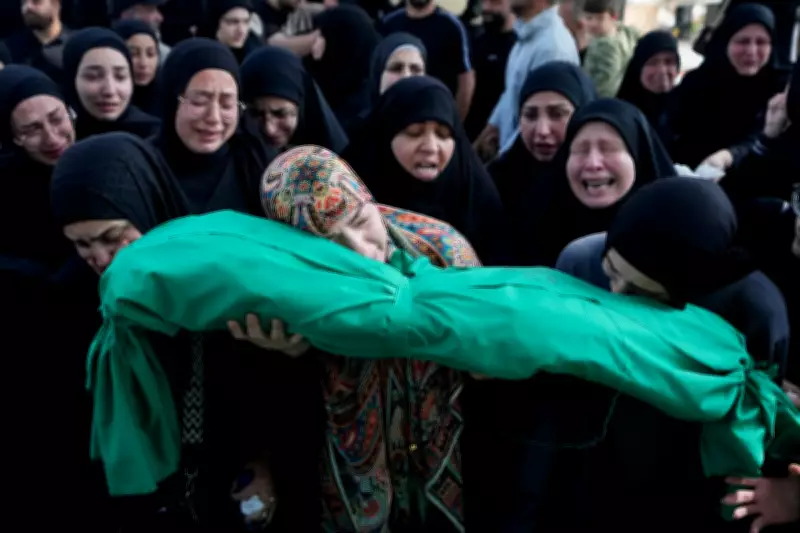
The U.S.-brokered ceasefire, effective April 17, has not stopped daily attacks between Israel and Hezbollah. Lebanese Health Minister Rakan Nassereddine reported that since the ceasefire, 380 people have been killed and 1,122 wounded. Since the war began on March 2, the death toll in Lebanon has reached 2,882, with 8,786 wounded.
Recent Israeli Strikes and Hezbollah Response
On Tuesday, Israeli airstrikes hit parts of southern Lebanon and the village of Sohmor in the Bekaa Valley, killing three and wounding four in Jibchit. An Israeli force entered Deir Mimas and destroyed a water pumping station, causing extensive damage. Hezbollah claimed its fighters struck Israeli troops near the Litani River in Deir Seryan with rockets.
Hezbollah Commander Killed
Hezbollah confirmed the death of commander Ahmed Ghaleb Balout in an airstrike near Beirut on May 6. The Israeli military identified him as a commander in the elite Radwan Force, killed along with two other militants. This was the first airstrike near Beirut since the ceasefire.