
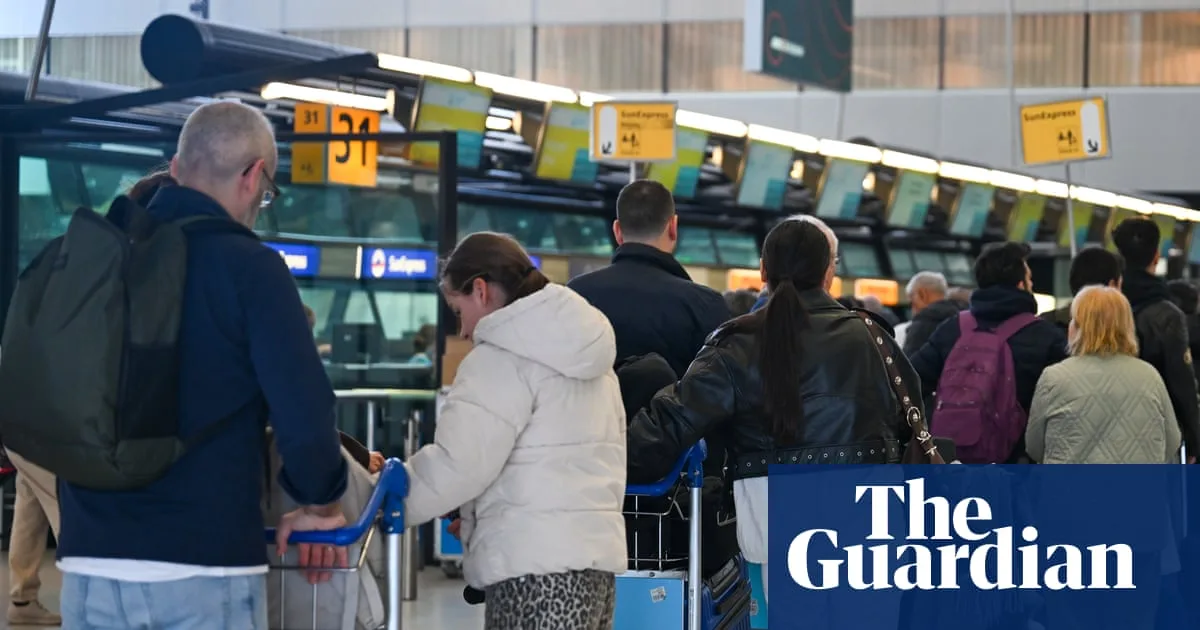
The new EU entry/exit system (EES) that has caused long queues at major airports may not stabilise for up to two years, a senior EU official has warned. Uku Särekanno, a director of the EU border agency Frontex, told the UK travel association Abta that some member states are struggling to implement the system, which requires non-EU travellers to provide fingerprints and facial images.
“We expect that the situation will stabilise in one or two years,” Särekanno said. He noted that the first enrolment is the most challenging, but repeat visitors will benefit from faster entry. The EES was introduced last October and fully rolled out on 10 April, with EU rules allowing temporary suspension of checks to avoid peak-time queues until September.
There are concerns that the checks could cause travel chaos this summer, dampening consumer confidence. Greece has already announced it will suspend biometric checks for British tourists until September to prevent disruption. Mark Tanzer, Abta's chief executive, warned that the system could hurt demand for EU holidays, urging destinations to use contingency measures where queues are excessive.
Alongside EES issues, the conflict in the Middle East and rising living costs are affecting booking patterns. Shaun Morton, chief executive of On the Beach, noted that consumers are booking later, creating uncertainty. However, he expects the summer travel market to grow overall, with pent-up demand likely to boost next year's bookings.




