
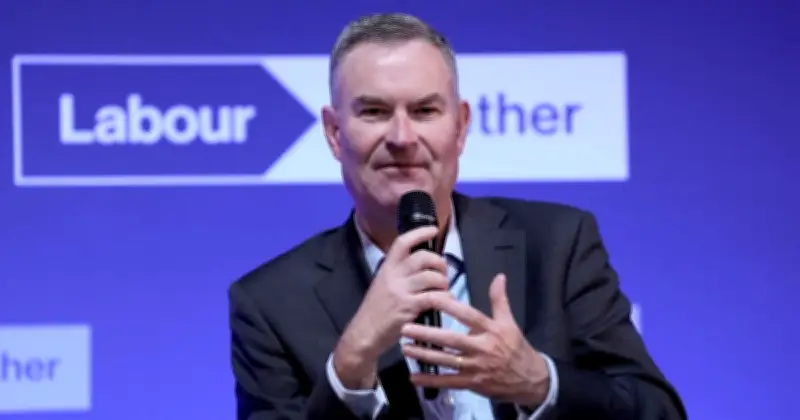
A former Conservative justice minister has urged the government to attract more high-skilled migrants to stimulate economic growth. Sir David Gauke, who served under Theresa May, also supported proposals to redirect fees paid by employers for immigration charges directly into training British workers.
Speaking about the need for a selective immigration policy, Sir David said: "A strong economy should be the nation’s priority. It is only through a strong economy that we can improve living standards, fund our public services and give the next generation the opportunities the last one had. A serious, selective immigration policy is one of the levers that helps deliver it."
Controlled borders and economic needs
Sir David emphasised that immigration must be controlled to maintain public trust, but argued that the debate should go further. "The question that matters for growth is whether Britain is competing hard enough for the migrants who create wealth. On the current evidence, the answer is no," he added.
He acknowledged that some reforms were necessary to reduce numbers of non-contributors, but warned against deterring entrepreneurs and specialists. "Numbers alone are not a strategy, and it is possible to bring net migration down while at the same time deterring the entrepreneurs and specialists the economy needs and doing nothing to rebuild the domestic pipeline."
Declining visa applications and emigration trends
The Prosper UK think tank, which released a paper titled An Immigration Plan for Economic Growth on Monday, highlighted recent immigration data. Net migration has halved to 171,000 in the year to December 2025, while Skilled Worker visa applications from main applicants dropped 40% to 33,100 in the year ending April 2026 compared to the previous year.
The think tank stated: "The harder question is whether the reforms delivering that fall are also driving away the specialists, senior executives and entrepreneurs the economy depends on."
Separate figures show that around 136,000 more British nationals left the UK than arrived in 2025, a gap that has widened every year since 2022. Meanwhile, more than a million young people aged 16 to 24 are not in employment, education or training.




