

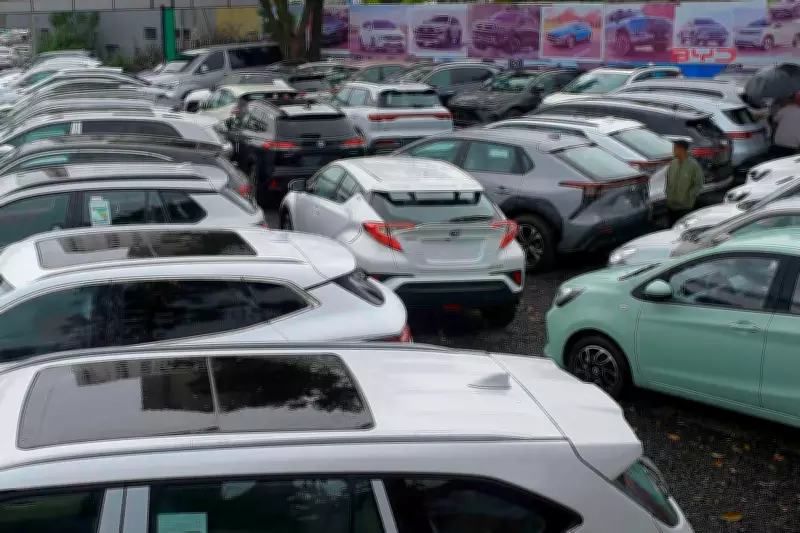
Fuel shortages and soaring prices are accelerating the adoption of electric vehicles (EVs) across Africa, with Ethiopia leading the charge. According to data from China's Commerce Ministry, Africa imported 44,358 electric vehicles from China in 2025, more than double the 19,386 units imported in 2024. These shipments, valued at over $200 million, underscore a growing demand for cleaner and cheaper transportation options.
Ethiopia at the Forefront
Ethiopia has emerged as the continent's EV leader after banning new imports of petrol and diesel-powered vehicles in 2024. Over 115,000 EVs now traverse Ethiopian roads, accounting for roughly 8% of the national fleet. In 2025, Ethiopia imported a third of Africa's EV imports from China, outpacing other major markets such as South Africa, Egypt, Morocco, and Nigeria.
The ongoing Iran war has exacerbated fuel shortages in Ethiopia, disrupting transport systems and daily life. This has reinforced the government's efforts to reduce costly oil and gas imports and bolster energy security. Ethiopia spends approximately $4.2 billion annually on fuel imports, straining its foreign currency reserves. Minister of Trade and Regional Integration Kassahun Gofe stated that the country also spends up to $128 million monthly on fuel subsidies, while shipments have fallen short by over 180,000 metric tons due to the effective closure of the Strait of Hormuz.

Energy Security and Renewable Advantage
Ethiopia possesses a unique advantage: over 90% of its electricity is generated from renewable sources, primarily hydro and solar. The Grand Ethiopian Renaissance Dam, Africa's largest hydroelectric project, is expected to double power generation, despite a decade-long dispute over water supplies with downstream Egypt and Sudan. Hiten Parmar, executive director of South Africa-based The Electric Mission, noted, "By replacing imported fuel with domestically generated electricity, Ethiopia is strengthening its energy security position."
Globally, the International Energy Agency estimates that electric vehicles displaced over 1 million barrels of oil consumption per day in 2024. Bob Wesonga, policy and investments lead at the Africa E-Mobility Alliance, highlighted that over 100,000 vehicle owners in Ethiopia are no longer exposed to pump price shocks, creating a buffer against global oil volatility.
Cost Savings for Consumers
For those who have switched to EVs, the savings are significant. Wesonga noted that a private EV owner now spends roughly $4 per month on charging, compared to $27 previously spent on fuel. For public transport operators, the difference is even more striking.
Infrastructure Challenges
Despite the progress, the transition faces structural hurdles. Parmar observed that while the technology is mature, building out charging infrastructure fast enough remains a challenge. Ethiopia is deploying ultra-fast charging hubs in Addis Ababa, but scaling nationwide will require time and investment. "The biggest hurdle is the last-mile power distribution," Wesonga said. "While Ethiopia has a surplus of generation, getting that power reliably to where it's needed, especially outside Addis Ababa, remains a challenge." Frequent blackouts and delays in connecting high-capacity charging stations have slowed infrastructure construction.
Affordability and Local Assembly
Ethiopia is among several African countries looking to build their own EV industries. Official data show 17 electric vehicle assembly plants are in the pipeline, with plans to increase that number to 60 by 2030. This strategy aims to localize production and reduce costs. However, affordability remains a major constraint. While operating costs are lower, the purchase price of EVs remains high relative to average incomes. "The purchase price is still out of reach for many," Wesonga said. Restrictions on fossil fuel vehicles have also pushed up the cost of used cars, creating additional barriers.

Long-term Outlook
Both experts agree that the long-term trajectory remains clear. Lower operating and maintenance costs for EVs could reduce transport costs over time, easing the price of goods and improving access to economic opportunities. Ethiopia is looking to lessons from countries like China and Norway, where policy support, infrastructure investment, and consumer incentives have driven rapid adoption. "This is not just about transport," Wesonga concluded. "It's about reshaping how the country uses energy, and who benefits from that shift."





