French Police Stand Idle as Migrants Board Dinghies for UK Crossing
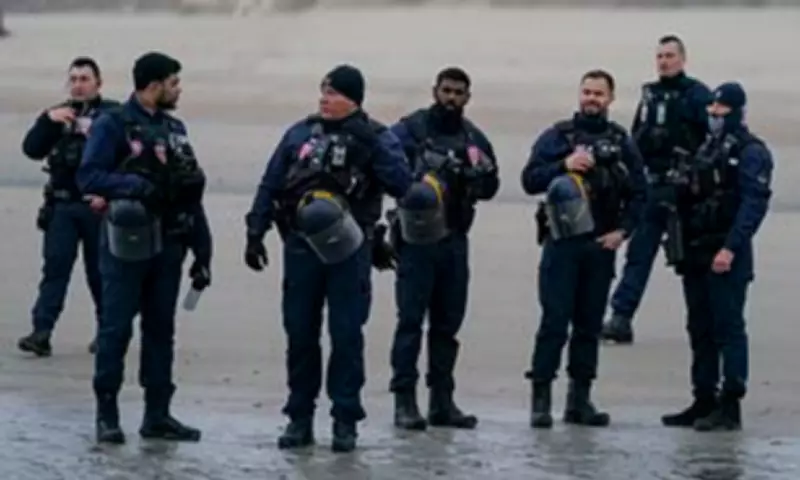
French police appeared to have all the necessary equipment but lacked the resolve to act as dozens of migrants scrambled onto dinghies destined for Britain. Despite being outfitted in specialist uniforms complete with riot helmets, waterproof body-worn cameras, non-lethal handguns, and pistol-grip pepper spray, the gendarmerie merely observed as the overloaded vessels sailed toward the horizon.
Onlooker Describes Inaction
An onlooker remarked, 'The officers came well equipped for the job, but then didn't do anything as all these blokes piled on to dodgy-looking inflatables.' This scene unfolded on Monday on the beaches of Dunkirk, occurring after France's human rights watchdog, the Defender of Rights, ordered police to cease using aggressive tactics to intercept migrants.
Human Rights Directive Impacts Policing
Claire Hédon, the highly influential Defender of Rights, stated in January that heavy-handed methods such as slashing boats with knives or restraining migrants with tear gas or rubber bullets were 'disproportionate' and posed risks to the thousands of young men attempting to reach Britain. Her directive has led to a noticeable shift in police behaviour, with officers now adopting a more passive stance during these incidents.

'Taxi Boat' Tactics Employed
On Monday, approximately 200 migrants were seen wading into the sea before being collected by small boats sent from further down the coast—a method known as the 'taxi boat' tactic. French police have agreed to address this approach following a personal appeal from UK Prime Minister Keir Starmer in January, but they will only attempt interceptions before migrants board the vessels.
Safety and Legal Concerns Raised
Police unions have warned that intercepting taxi-boats could endanger the lives of people-smugglers, migrants, and French officers, potentially leaving officers liable to prosecution if any drownings or injuries occur. This legal vulnerability has contributed to the cautious approach observed on the beaches.
Channel Crossing Statistics
Last year, 41,472 migrants crossed the Channel in small boats, marking the second-highest annual number on record. So far this year, more than 5,000 have made the perilous journey. Alp Mehmet, chairman of Migration Watch UK, commented, 'It seems the French have long given up on serious effort to stop migrants jumping into small boats to cross the Channel illegally. We have given the French around three-quarters of a billion pounds since 2014/15 to stop illegal migrants. We deserve a refund.'
Financial Agreements and Recent Developments
Two weeks ago, the UK agreed to a new two-month deal, paying France an additional £16.2 million to police the Channel while both nations negotiate a long-term agreement. Home Secretary Shabana Mahmood approved this deal, which extends previous arrangements to subsidise French beach patrols.
Changing Migrant Profiles
In recent weeks, there has been an increase in undocumented migrants claiming to flee the war in Iran to secure refugee status, according to officials. Others have falsely identified as Bidoons—stateless Arabs from Kuwait, primarily descended from nomadic tribes, who were not granted citizenship after the country's independence in 1961.
Tragic Incidents and Current Status
Two migrants died after attempting to cross the Channel in an overcrowded boat on April 1. Last night, the Home Office reported that no migrants had arrived on small boats over the weekend, highlighting the ongoing volatility and dangers of these crossings.