First Conviction Secured Under New Channel Crossing Legislation
In a landmark legal development, an Afghan migrant has become the first individual to be convicted for endangering the lives of migrants attempting to cross the English Channel. The conviction represents the first successful prosecution under new legislation introduced just weeks prior to the incident.
Details of the Dangerous Crossing
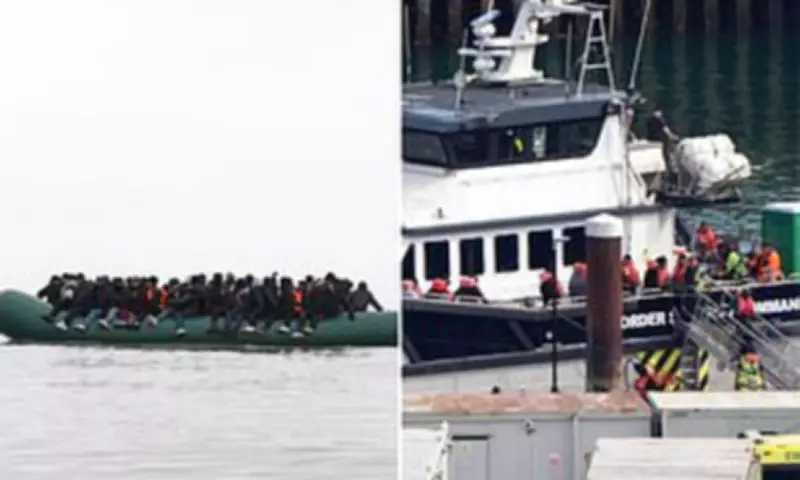
Tajik Mohammad, aged 32, pleaded guilty at Canterbury Crown Court on Tuesday to abandoning the overcrowded dinghy he was piloting when a rescue vessel arrived during poor weather conditions on January 17. The court heard that the small boat was dangerously overcrowded, with some passengers not wearing life jackets during the attempted crossing of one of the world's busiest shipping lanes.
Mohammad continued his journey to the United Kingdom later that same day before being arrested by authorities. He will face sentencing at the same court on June 10, with potential penalties including up to five years imprisonment, or six years if found in breach of a deportation order.

New Legislation Targets Dangerous Crossings
The offence was established under the Border Security, Asylum and Immigration Act, which came into force just weeks before Mohammad's attempted crossing. This legislation forms part of a broader range of measures designed to curb dangerous Channel crossings and prosecute those who compromise UK border security.
James Fisher, a senior Crown Prosecution Service prosecutor, stated: 'I'm pleased the CPS has secured the first conviction for endangering the lives of others during a Channel crossing since it became an offence in January. We will carry on using new laws to prosecute individuals and gangs who undermine UK border security.'
The prosecution successfully argued that Mohammad's decision to abandon the tiller upon the rescue ship's arrival, combined with the boat's overcrowded condition, inadequate safety equipment, poor weather, and the inherently unsafe nature of such vessels, constituted clear endangerment of human life.
Broader Context of Channel Crossings
According to Home Office sources, the legislation was specifically designed to prevent migrants from being crammed into unsafe boats, addressing what officials have described as 'floating crime scenes' where reckless behavior has previously led to deaths from crushes and drownings.
The law applies not only to those who physically endanger others but also to individuals involved in aggression, intimidation, or resistance to rescue operations. This conviction follows the earlier charging of a 16-year-old Afghan boy with the same offence for allegedly endangering 46 people on January 5, though the teenager has denied the charges, claiming he was forced to pilot the vessel.
In a separate but related development earlier this month, Sudanese national Alnour Mohamed Ali, aged 27, appeared before Folkestone Magistrates' Court charged with endangering life following the deaths of two men and two women who died attempting to board a boat on April 9.
Official statistics indicate that approximately 6,000 people have arrived in the UK via inflatable dinghy Channel crossings so far this year, highlighting the ongoing challenges authorities face in managing migration through one of the world's most dangerous maritime routes.