
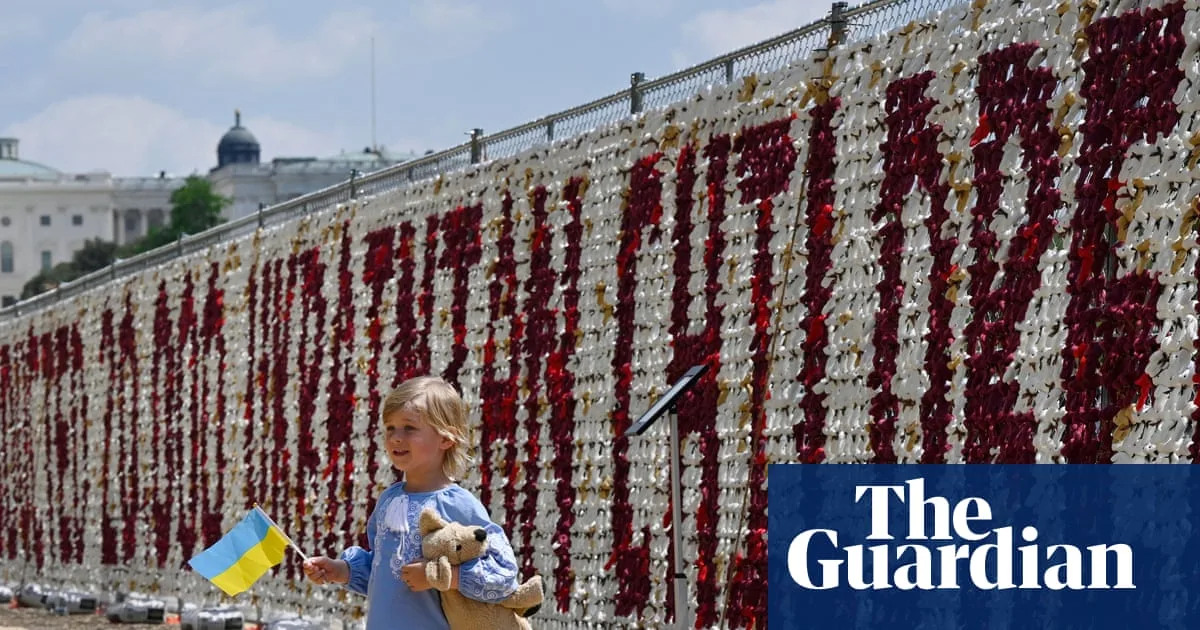
The European Union has imposed sanctions on 16 Russian officials accused of involvement in the unlawful deportation and forced transfer of Ukrainian children to Russia or Russian-held territories. The measures, announced on Monday, also target seven centres suspected of indoctrinating children or training them for military service. More than 130 individuals and entities are now subject to EU travel bans and asset freezes over the abductions.
Since Russia launched its full-scale invasion in early 2022, about 20,500 children have been unlawfully deported or forcibly transferred, according to EU officials. Many are stripped of their Ukrainian identity, given Russian passports, and put up for adoption. Latvian Foreign Minister Baiba Braže described the actions as bearing features of genocide under international law.
Meanwhile, Kyiv came under drone attack on Tuesday after a three-day ceasefire with Russia expired. The truce, announced by US President Donald Trump on Friday, had been intended to mark a potential turning point in the conflict. Ukrainian President Volodymyr Zelenskyy accused Russia of continuing fighting during the ceasefire and preparing new attacks.
In a separate development, Ukrainian anti-corruption agencies issued a notice of suspicion to a former senior official, widely reported to be ex-chief of staff Andriy Yermak, as part of a major corruption investigation. Yermak resigned in November 2025 after his home was raided.
EU foreign policy chief Kaja Kallas said the dynamics of the war were shifting in Ukraine's favour, citing record Russian casualties and Ukrainian strikes on Russian oil facilities. However, she cautioned against complacency. European governments also rejected a suggestion by Russian President Vladimir Putin that former German Chancellor Gerhard Schröder could represent them in peace talks, dismissing his close ties to Moscow.




