
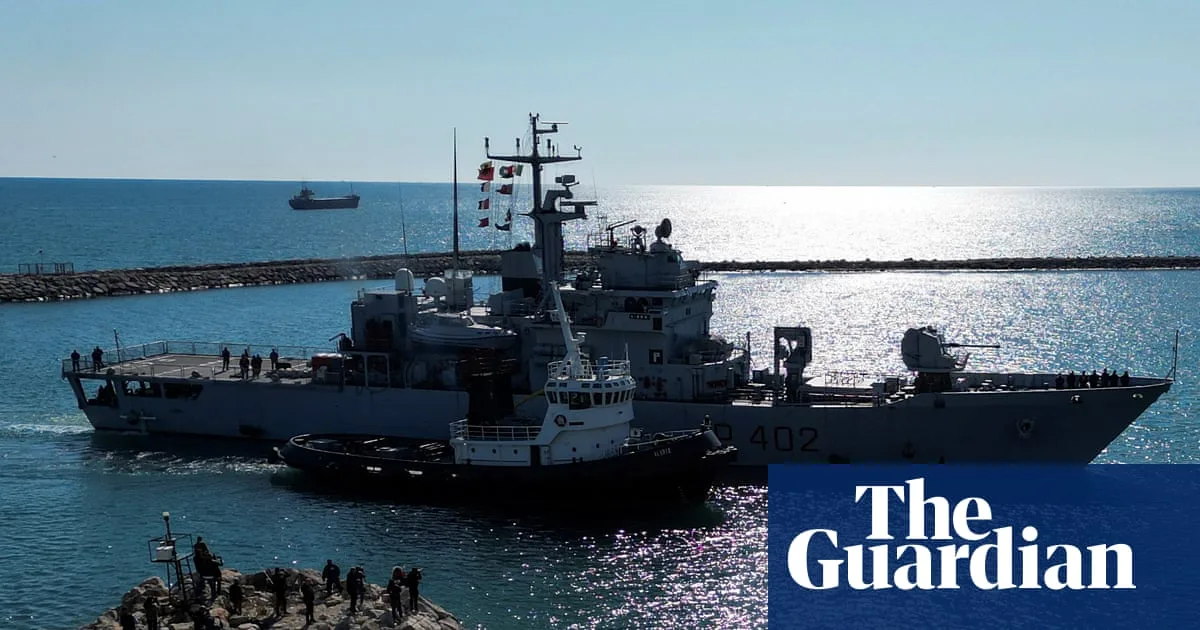
MEPs have voted to approve legal changes that pave the way for offshore centres for migrants and asylum seekers, with centre-right and far-right politicians uniting behind tougher migration policies. The new rules, expected to take effect in June, will allow authorities to deport asylum seekers to countries outside the EU even if they have only passed through them or have no prior link, provided an agreement exists with the receiving state.
The vote effectively endorses Italy's deal with Albania and the Dutch government's agreement with Uganda on deporting rejected asylum seekers. In a separate vote, MEPs approved an EU list of 'safe third countries', including all EU candidate nations such as Georgia and Turkey, as well as Bangladesh, Colombia, Egypt, India, Kosovo, Morocco and Tunisia.
Rights groups have expressed alarm, particularly over the inclusion of Tunisia, citing President Kaïs Saïed's crackdown on civil society and the jailing of opposition figures. A coalition of 39 NGOs warned that designating Tunisia as safe deprives Tunisians of fair asylum assessments and gives the authorities carte blanche to continue violations.
Alessandro Ciriani, the Italian MEP who led work on the safe countries list, hailed the result as 'the beginning of a new phase' where migration is 'no longer endured but governed'. However, the plans have faced judicial challenges; in 2024, an Italian court ruled against transferring seven men to an Albanian facility, citing a lack of transparency in how safety was assessed.
The EU has been tightening asylum rules since the 2015 migration crisis, with nationalist and far-right electoral gains accelerating the trend. Last year, 155,100 people crossed the Mediterranean in unseaworthy boats, and nearly 2,000 died or went missing. Supporters argue the measures undermine people smugglers' business models, while critics warn of rights violations.




