

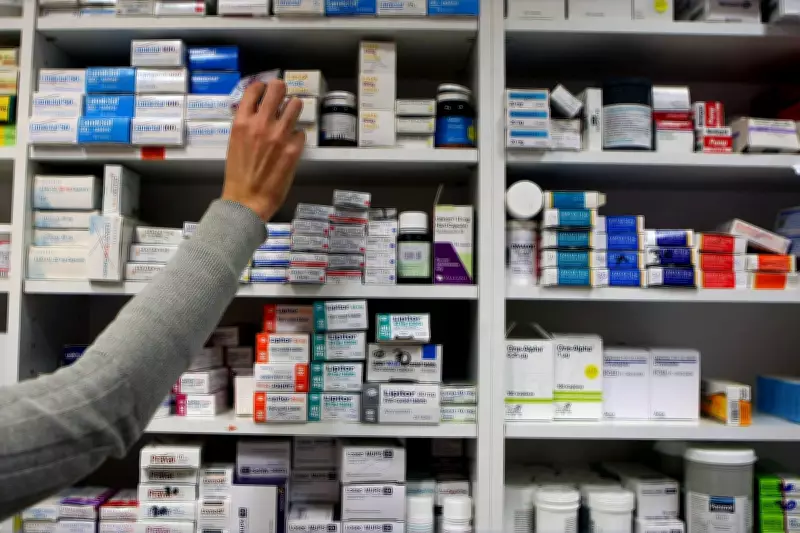
Epilepsy patients in the United Kingdom are facing a heightened risk of life-threatening seizures as disruptions in the supply of essential medications continue to worsen. The shortages, which affect hundreds of critical medicines including those for epilepsy, high blood pressure, and certain cancer treatments, have forced some individuals to skip vital doses, leading to increased anxiety and a surge in seizure frequency.
Supply Chain Disruption Linked to Iran Conflict
The root cause of these shortages is traced back to the ongoing war in Iran, which has severely impacted shipping routes through the Strait of Hormuz. This disruption has caused global prices for pharmaceutical components to skyrocket, creating a ripple effect that has reached the UK's National Health Service (NHS). Health Secretary Wes Streeting acknowledged the challenges, stating that the government is 'absolutely looking' at the situation regarding medicine stock supplies in light of the conflict.
Patient Impact and Expert Warnings
Patients have reported significant distress, with some describing the experience as 'scary' and expressing fears for their lives. The Epilepsy Society and other charities have raised alarms, noting that skipping doses can have dangerous consequences, including increased seizure activity and potential status epilepticus, a condition where seizures last longer than five minutes and require emergency medical intervention.

Charities are urging the government to implement 'robust and water-tight' medicine supply chains to protect vulnerable individuals. They emphasize the need for strategic reserves and alternative sourcing to prevent such crises in the future. The situation highlights the fragility of global pharmaceutical supply chains and the direct impact geopolitical conflicts can have on patient health.






